Backpacking in Sweden rarely begins the way people expect. After ten years of living here, I have watched many travelers arrive with a vague idea of Scandinavia as polished cities and high prices, only to realize that the real experience lies somewhere else entirely. Sweden is one of the easiest countries in Europe to travel on a low budget if you understand how it works. It rewards independence, preparation, and a willingness to spend time outdoors far more than it rewards spending money.
The single most important concept to understand is Allemansrätten, the right of public access. It allows you to move freely through nature, to camp almost anywhere for a night or two, and to experience landscapes that in many countries would be private or restricted. This is not a fringe detail. It is the foundation of budget travel in Sweden. Once you understand that you can pitch a tent beside a lake, wake up surrounded by forest, and move on the next day without paying anything, the country opens up in a very different way. There are rules, and they are taken seriously. You stay away from private homes, you do not disturb landowners, and you leave no trace. Follow that, and you have access to a level of freedom that is rare in Europe.

A much needed café break for a Swedish Fika after a day visiting the sights of Stockholm.
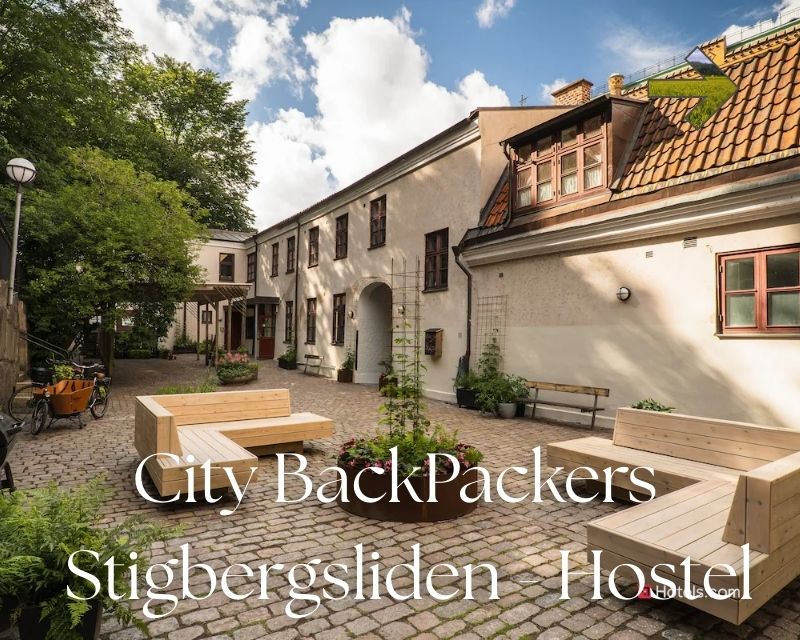
Accommodation is otherwise the main cost to manage. Hotels are expensive, often prohibitively so for backpackers. Hostels exist and are generally well maintained, but even they can be costly compared to southern Europe. This is why many travelers combine occasional hostel stays with camping. Sweden also has a wide network of organized campsites, which are clean, safe, and reasonably priced. They offer showers, kitchens, and sometimes small cabins, which can be a practical compromise when the weather turns or when you need a proper reset. It’s also allowed to pitch a tent, almost anywhere.
Food is the second major expense, and here the strategy is straightforward. Eating out regularly will quickly exhaust a budget. Groceries, on the other hand, are accessible and relatively affordable. Supermarkets are found even in smaller towns, and many are well stocked with ready to eat options that suit travelers. Cooking your own meals, even something as simple as pasta or sandwiches, changes the economics of the trip entirely. Many hostels and campsites provide kitchens, and a simple camping stove fills the gaps when you are further out.

Be inspired by hostels on Hotel.com


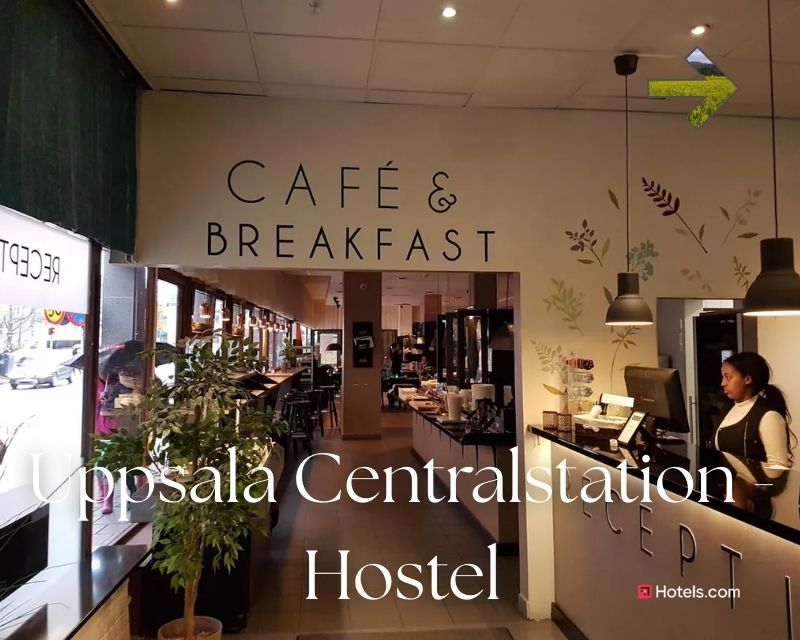
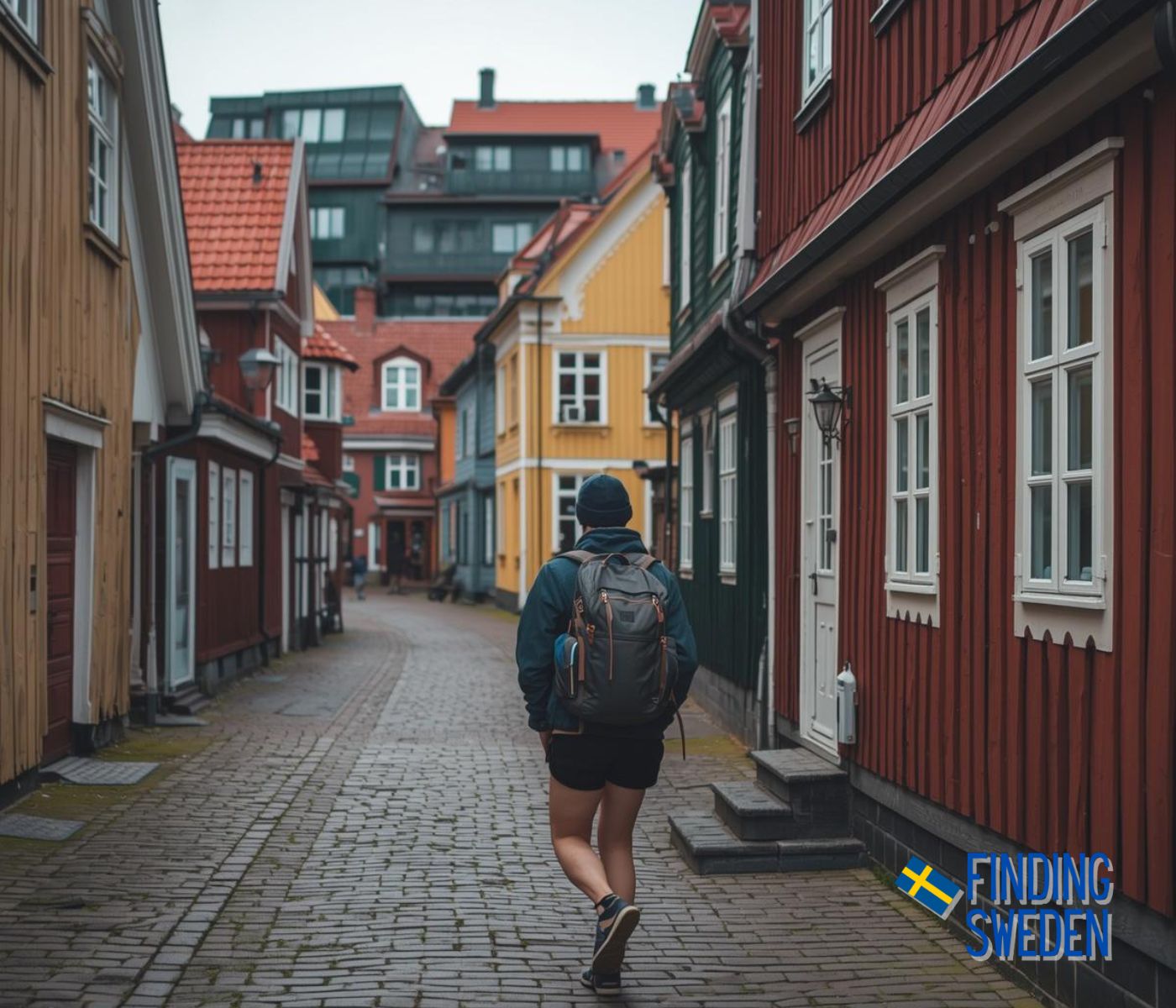
Getting around Sweden requires a bit more planning. The distances are larger than many visitors expect, especially if you travel north. Trains and long distance buses are reliable and comfortable, but prices vary widely depending on when you book. Advance planning usually means lower fares. Regional buses are slower but often cheaper, and they connect surprisingly remote areas. If you build your route with this in mind, it is possible to move between cities and nature without spending excessively.
What defines backpacking in Sweden is the balance between urban life and wilderness. Cities like Stockholm and Gothenburg are worth visiting, but they are not where most of your time needs to go if you are traveling on a budget. A few days in each, combined with longer stretches in nature, tends to create a better experience both financially and practically. The infrastructure supports this approach. You can leave a city in the morning and be on a forest trail or by a lake within hours.
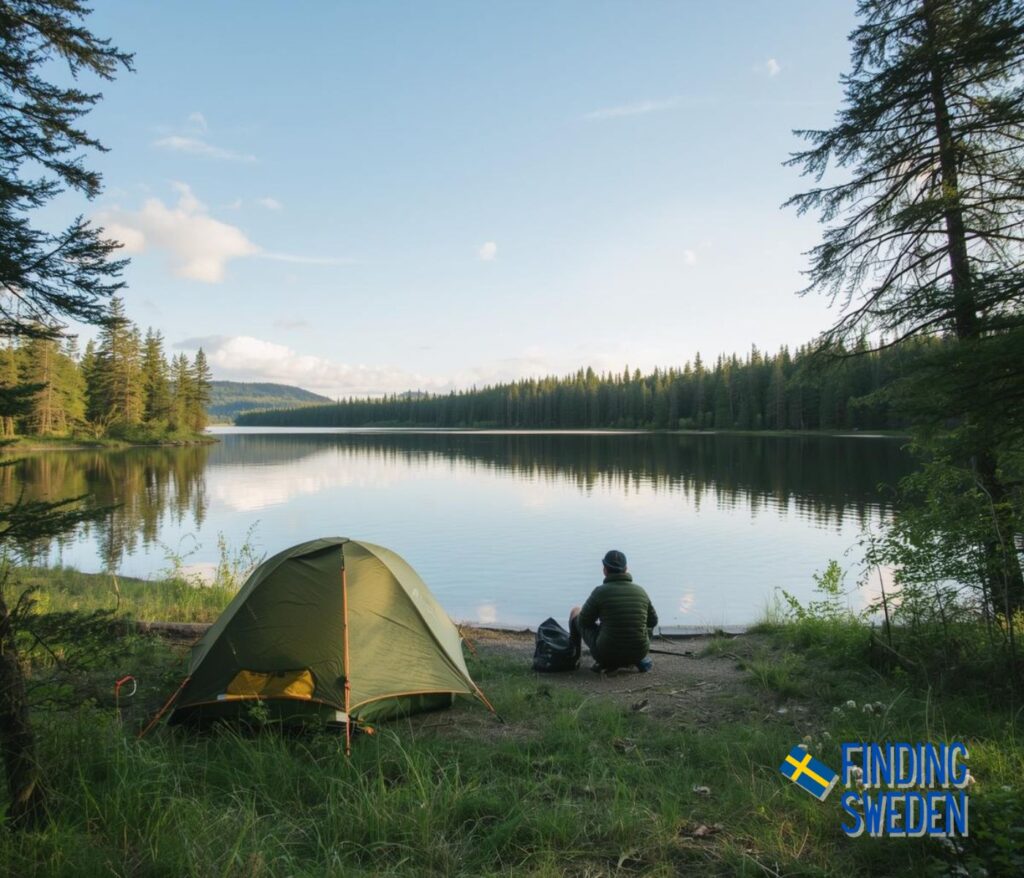
Swedish allemansrätten gives you the right to tent for a night anywhere in Sweden, with the exception of next to someones house.
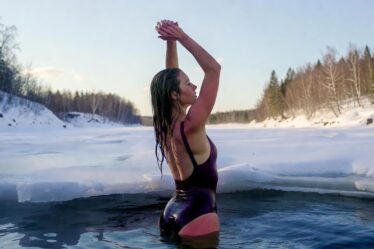
Timing matters more than many people realize. Summer is the obvious choice, with long daylight hours that stretch late into the night, especially in the north. This makes travel easier and safer, particularly for those relying on tents and outdoor cooking. It is also the busiest and most expensive period. Late spring and early autumn are often better choices for those looking to keep costs down and avoid crowds. The weather is still manageable, and the landscapes remain accessible. Winter is a different kind of trip entirely, requiring more experience and equipment, and is rarely suited to low budget backpacking.
Safety is one of Sweden’s strengths. Solo travel, including for women, is generally straightforward. The country has a strong culture of outdoor activity, and you are rarely far from a marked trail, a shelter, or a small community. That said, nature here is real and can be demanding. Weather changes quickly, and distances in rural areas can be deceptive. Proper clothing, basic navigation tools, and a realistic plan for each day are not optional details. They are what make the difference between an enjoyable trip and a difficult one.
Budget for Backpacking in Sweden (example, make your own)
For those planning a week on the road, a realistic low budget in Sweden comes down to a balance between free camping, occasional paid stays, and keeping food simple. Transport tends to be the largest fixed cost, especially over longer distances, while accommodation often ends up higher than expected unless you rely heavily on wild camping. Even modest hostels and campsites add up over several nights, particularly in popular areas. Cooking most of your meals and focusing on free outdoor experiences still keeps the overall budget within reach, but accommodation is usually where you feel the difference.
| Category | SEK (7 days) | USD (approx) |
|---|---|---|
| Transport | 800 to 1,500 | 75 to 140 |
| Accommodation | 1,200 to 2,100 | 110 to 190 |
| Food | 700 to 1,050 | 65 to 95 |
| Activities and extras | 200 to 400 | 18 to 37 |
| Total | 2,900 to 5,050 | 270 to 460 |
After a decade in Sweden, what stands out most is how accessible the experience becomes once you adjust your expectations. Backpacking here is less about finding the cheapest bar or the busiest hostel and more about understanding how to use what the country offers for free. The forests, the lakes, the coastlines, and the simple infrastructure built around them create a system where you can travel for long periods without spending very much at all. For those willing to adapt, Sweden becomes one of the most liberating places to explore on a limited budget.