The Swedish Classic, or En Svensk Klassiker, is one of those ideas that sounds simple on paper but says a lot about Sweden as a country. At its core, it is a challenge: complete four of Sweden’s most iconic endurance races within a 12 month period. Those races are Vasaloppet, a 90 kilometer ski race through Dalarna, Vätternrundan, a 315 kilometer bike ride around Lake Vättern, Vansbrosimningen, a 3 kilometer open water swim, and Lidingöloppet, a 30 kilometer trail run. Finish all four, and you earn the diploma. Not a medal that changes your life, not prize money, just proof that you did it.
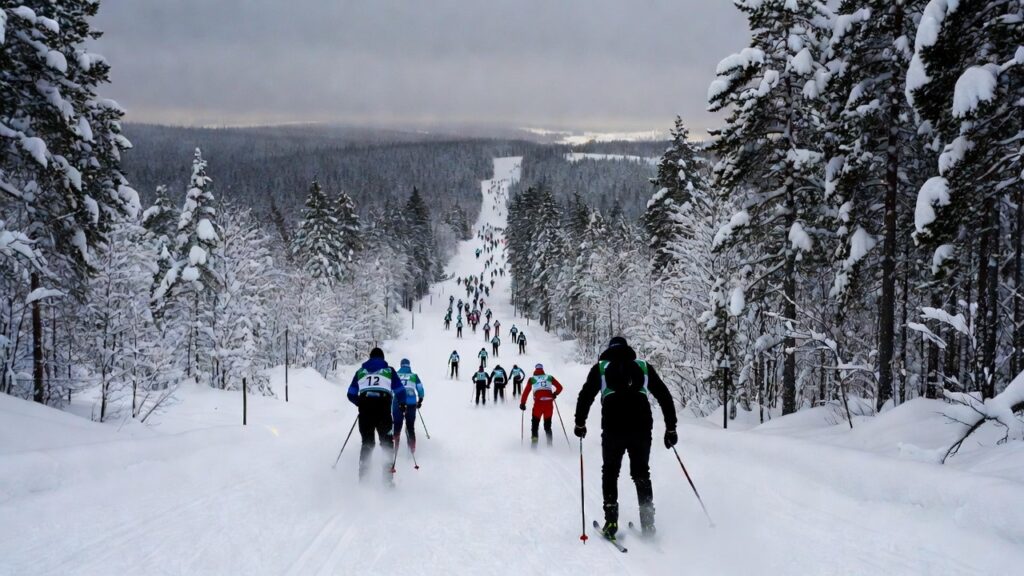
There are 4 different events, Vasaloppet, a 90 km ski race, is one of them
What makes it interesting is not the format, but where it came from. The idea was born in 1967, when a Swedish recreational athlete named Lennart Håkansson suggested that people should be encouraged to stay active year round, not just train for a single event. His idea was simple: link together four existing races in different seasons and disciplines, and reward those who complete all of them. By the early 1970s, the concept had been turned into reality, and the first official diplomas were awarded shortly after.
That timing matters. This was not created as elite sport. It emerged during a period when Sweden was actively building a broad culture around health, outdoor life, and organized exercise. The races themselves were already established, some long before the concept existed. Vasaloppet dates back to 1922 and is tied to the story of Gustav Vasa’s escape during the 16th century. Vansbrosimningen began in 1950. What the Swedish Classic did was bundle these events into a single narrative. Not four races, but one continuous challenge.
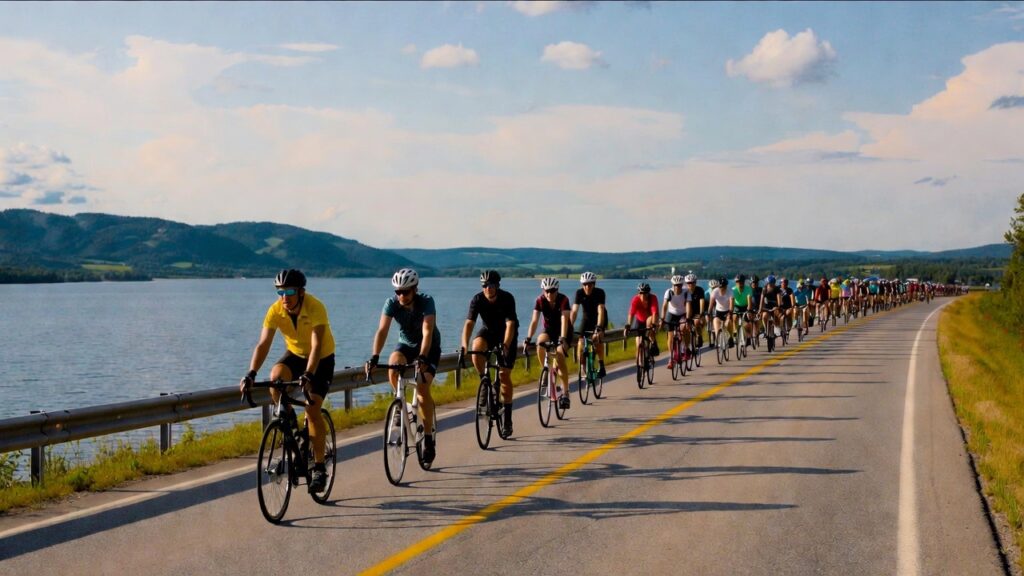
Vätternrundan, a 315 kilometer bike ride around Lake Vättern
That shift turned it into something bigger than sport. It became a structured way to prove discipline over time. You could not brute force your way through it in a weekend. You had to train across seasons, handle different types of endurance, and maintain consistency over a full year. It reflects a broader Swedish mindset where steady effort is valued more than short bursts of intensity.
The scale tells you how deeply it has embedded itself. Since its start, around 100,000 people have completed the full challenge, and many thousands attempt it in some form each year. At the same time, participation in the individual races reaches hundreds of thousands annually. This is not a niche endurance concept. It sits somewhere between a national tradition and a personal milestone.
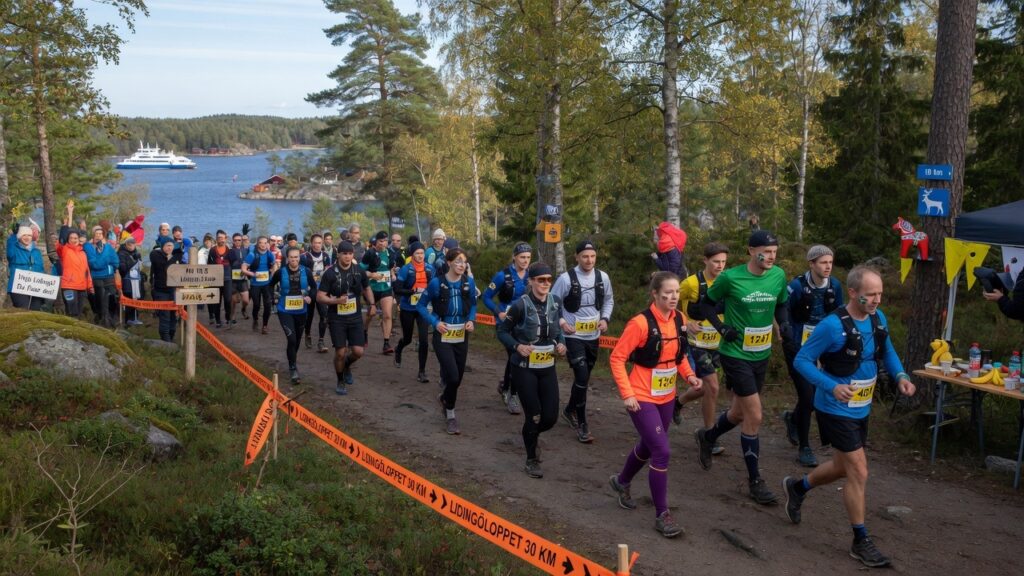
Lidingöloppet, a 30 kilometer trail run
‘What is interesting is how it is perceived inside Sweden compared to outside. Within the country, it carries a quiet prestige. It signals discipline, planning, and resilience, but without being flashy. It is something people mention casually, almost as a matter of fact. Outside Sweden, it is largely unknown, which highlights how rooted it is in local culture rather than global exposure.
The setting also plays a major role. Each race takes place in a different part of Sweden and exposes participants to very different environments, from winter forests to summer lakes. The experience is not just about physical effort but about moving through the landscape across the seasons. It connects endurance with nature in a very direct way.
Over time, the concept has evolved without losing its core. Shorter and more accessible versions have been introduced, making it possible for more people to take part. Still, the full distances remain the benchmark, and completing the original version is what people generally refer to when they talk about doing a Swedish Classic.
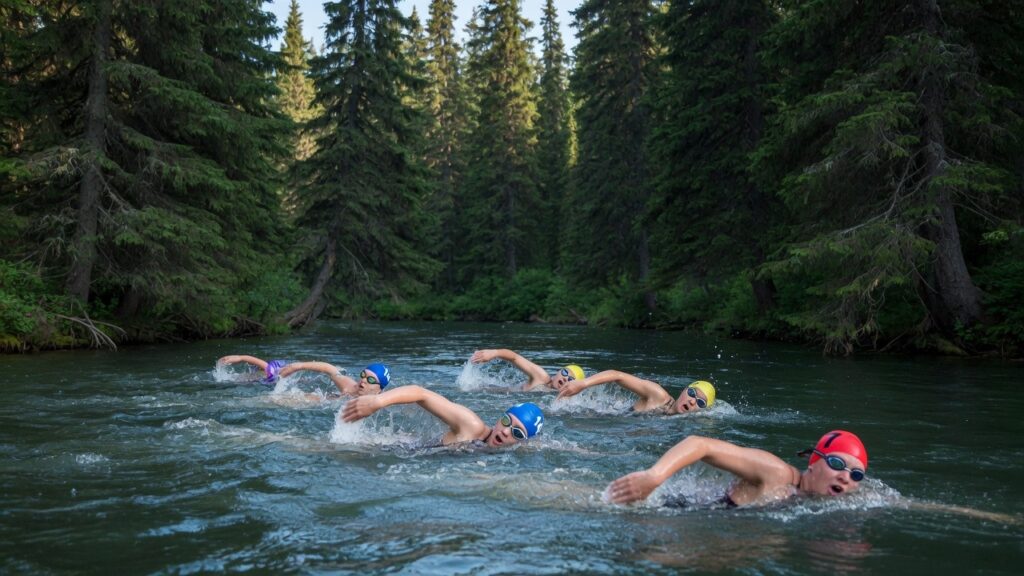
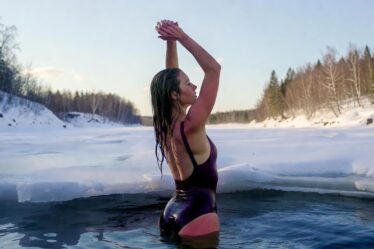
Training for Vansbrosimningen 2025, 3 km swimming in open water
Today, people tend to approach it as a personal project rather than a competition. It is something you decide to do during a certain period of life. For some, it is about getting back in shape. For others, it is about testing limits or creating structure in their daily routine. There is also a slightly ironic cultural layer, where it is seen as a very Swedish way of dealing with ambition or restlessness. Instead of dramatic change, you commit to a year of steady effort.
At the same time, it still carries genuine respect. Completing it requires real preparation and persistence. Ninety kilometers of skiing, three hundred kilometers of cycling, open water swimming, and a long distance run demand both physical and mental endurance. The fact that it is open to many does not make it easy. It simply means that the barrier is consistency rather than talent.
In that sense, the Swedish Classic reflects broader patterns in Swedish society. It values sustained effort, accessibility, and personal achievement without the need for public recognition. The reward is modest, but the meaning comes from the process itself.