
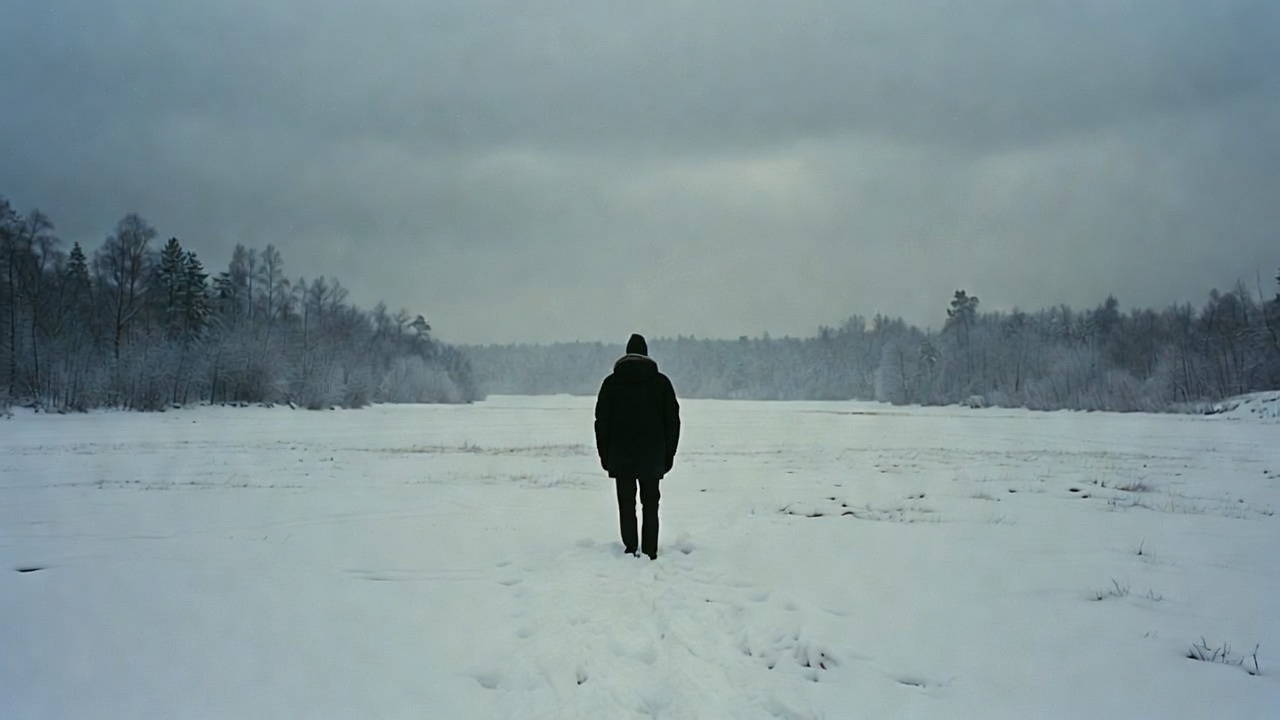
People often imagine Sweden as a calm and orderly place. Clean cities, quiet streets, well organized trains, forests that stretch for miles without interruption and a society that seems to function almost effortlessly. For travelers it can feel like stepping into a peaceful version of the future. Everything works, everyone is polite and there is space everywhere. But behind that calm surface there is a question that appears again and again in international media and research. Is Sweden also the loneliest country on Earth?
The statistic that fuels this idea is striking. In Sweden more than half of all households consist of just one person. Around fifty two percent of homes are occupied by someone living alone. Not couples, not families, just one person closing the door at night. That number is one of the highest in the world and the highest in the European Union. It means that living alone is not an unusual lifestyle choice in Sweden. It is the most common form of household. For visitors coming from cultures where family life forms the center of society the number sounds almost unbelievable. It raises a simple question that feels difficult to ignore. If so many people live alone, does that also mean they are lonely?
Before answering that question it is worth remembering something important. Being alone and being lonely are not the same thing. Many Swedes enjoy living alone and see it as a sign of independence and freedom. A quiet apartment can mean privacy, control over your own time and a life without the small compromises that come with sharing space. Yet at the same time it is also reasonable to wonder whether a society where so many people live by themselves might create conditions where loneliness becomes easier to slip into. To understand why Sweden looks the way it does, you have to look at the social habits that shape everyday life.
One of the first things that many foreigners notice in Sweden is how rarely social interaction happens spontaneously. In many parts of the world people talk easily with strangers in public places. Conversations start while waiting in line, neighbors chat in stairwells and friends drop by without warning. Sweden works differently. Social life is usually planned. If someone wants to visit a friend they normally send a message first and agree on a time, often several days in advance. Even close friends rarely show up unannounced. The same quiet distance exists in public spaces where people tend to respect each other’s privacy almost instinctively. On buses, in elevators or while standing in queues it is common for everyone to keep to themselves. No one sees this as unfriendly. In Sweden it is considered polite. People are giving each other space and avoiding intrusion. But the side effect is that many of the small everyday interactions that fill social life in other cultures simply never happen.
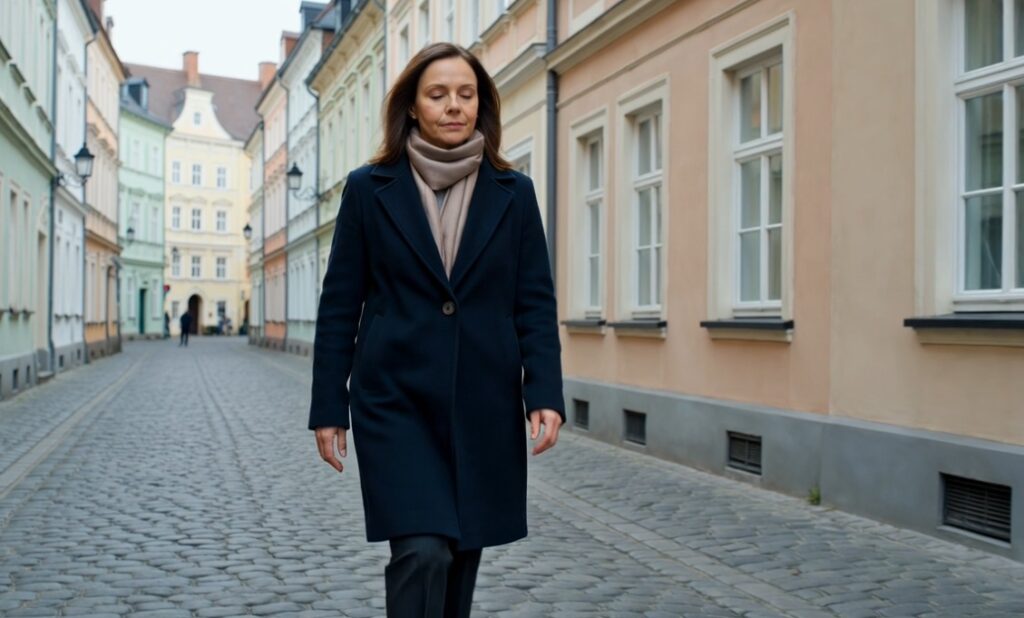
Another part of the picture is Sweden’s strong cultural belief in independence. From a young age people are encouraged to stand on their own feet and build a life that does not depend too heavily on others. Young adults often move out earlier than in many countries and start living alone while studying or soon after beginning their careers. Later in life the same principle continues. Older people frequently prefer to remain in their own homes rather than living with children or extended family. The Swedish welfare system supports this independence by providing services that allow individuals to manage life without relying on relatives for financial or practical help. Over time this creates a culture where autonomy becomes something to admire. Being able to take care of yourself is seen as a sign of strength and maturity. The result is a society where people are highly capable of living alone and where the traditional family structures that bind people together in many cultures play a smaller role in daily life.
Modern technology has also changed the rhythm of social contact. Sweden is one of the most digitalized countries in the world and daily life can be handled through a phone or computer with remarkable efficiency. Banking, paying bills, booking travel, dealing with government agencies and even seeing a doctor can often be done without speaking to another person. Grocery stores rely heavily on self checkout systems and many errands that once required conversation are now completed through an app. Convenience has made life smoother and faster but it has also removed many small moments of human contact that used to exist in ordinary routines. A quick exchange with a cashier or a brief conversation in a bank queue may seem insignificant, yet those small interactions form part of the invisible fabric of social life. When they disappear the day can become surprisingly quiet.
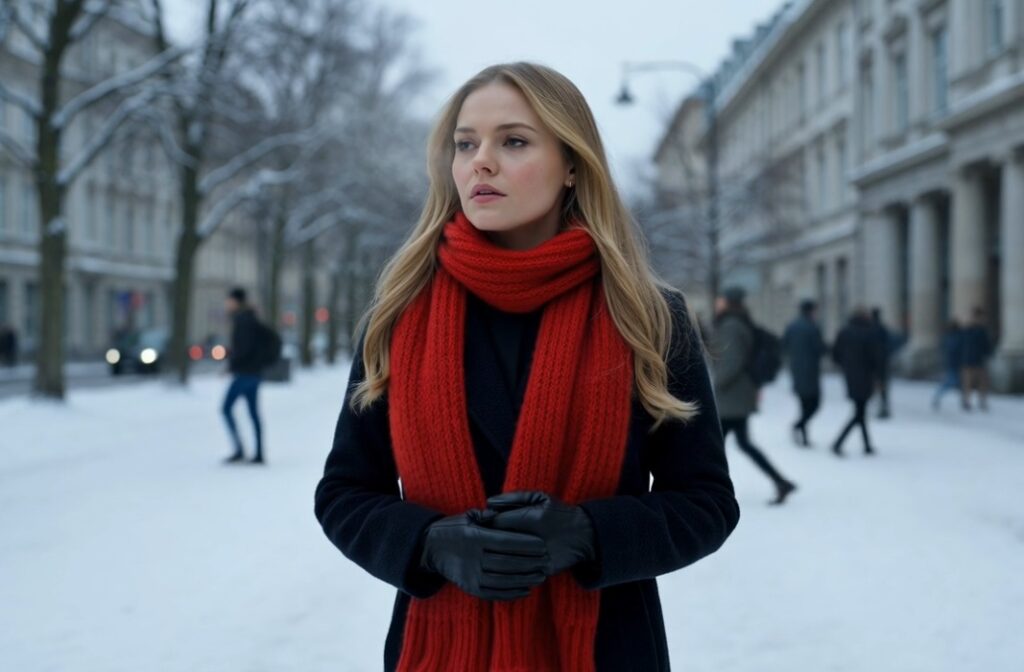
Geography and climate may quietly reinforce these patterns. Sweden is a large country with a relatively small population spread across long distances. Much of the landscape consists of forests, lakes and rural areas where neighbors may live far apart. Winters are long and dark, especially in the north, and the cold months naturally encourage people to spend more time indoors. Even in cities there is a sense of personal space that visitors often notice immediately. Apartments are private worlds and the streets can feel calm and reserved compared with the constant buzz of southern European cities where social life spills into cafés and plazas.
Swedes don’t open up to strangers, but that is not true. They just don’t small talk.
Yet calling Sweden the loneliest country on Earth may also miss an important part of the story. Many Swedes would argue that their society is not lonely at all but simply organized differently. Instead of relying heavily on family ties they often build strong networks of friends, colleagues and hobby groups. Social life may be carefully planned but it can also be deeply meaningful once those circles are established. Clubs, sports associations and volunteer organizations play an important role in bringing people together. Trust in society is also unusually high and many people feel safe and supported even when living alone.
Perhaps the most accurate way to describe Sweden is not as a lonely country but as a country where solitude is normal. Independence is woven into the culture and personal space is treated almost as a shared agreement between strangers. For some people that freedom is deeply attractive. For others it can feel distant or isolating. The quiet streets, the private apartments and the respectful silence of public spaces all tell the same story. Sweden has built a society where it is entirely possible to live a full life on your own. Whether that independence becomes freedom or loneliness often depends on the person living behind the door.



Wow… this honestly caught me off guard. I had heard the idea that Sweden is “lonely” before, but I always assumed it was a bit exaggerated or just one of those stereotypes people repeat without thinking. Seeing it broken down like this, especially the part about how many people actually live alone and how that shapes everyday life, makes it feel much more real. The fact that around 40–47% of households are single-person really puts it into perspective
Thank you, I love it if the articles can be useful!