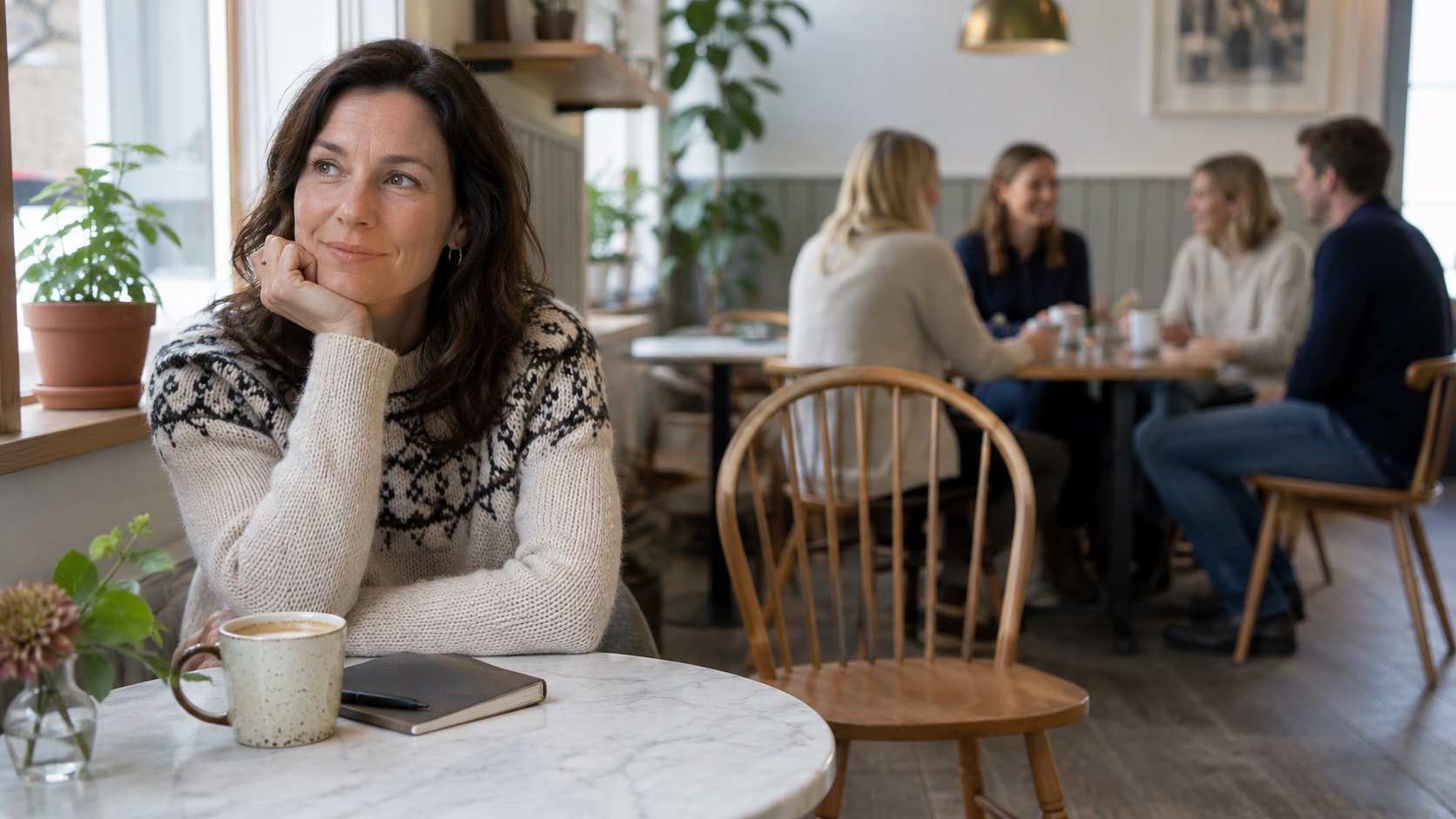
When people ask me what is difficult about moving to Sweden, they usually expect me to mention the darkness, the cold or the language. Those things can take some getting used to, but the hardest part is often less visible. It can take a surprisingly long time to make friends.
Swedes are usually polite, helpful and easy to talk to. They will explain how the recycling room works, help you find the right bus and show you which button to press on an unfamiliar machine. At work they may be relaxed and friendly, and you can speak to the same person every day without ever being invited into their private life. This distinction can be confusing if you come from a culture where friendliness is naturally followed by dinner, coffee or another meeting. In Sweden, a good conversation may remain exactly that. It was pleasant, but it does not automatically create a new relationship.
I do not think this is because Swedes dislike new people. Many simply have social lives built around old friendships, family routines and plans that have existed for years. They still see friends from school, university, military service or former workplaces. Their calendars are filled with children’s activities, family weekends, birthdays and visits to summer houses. A newcomer is not necessarily being rejected. There may simply be no obvious empty space in a life that already feels full.
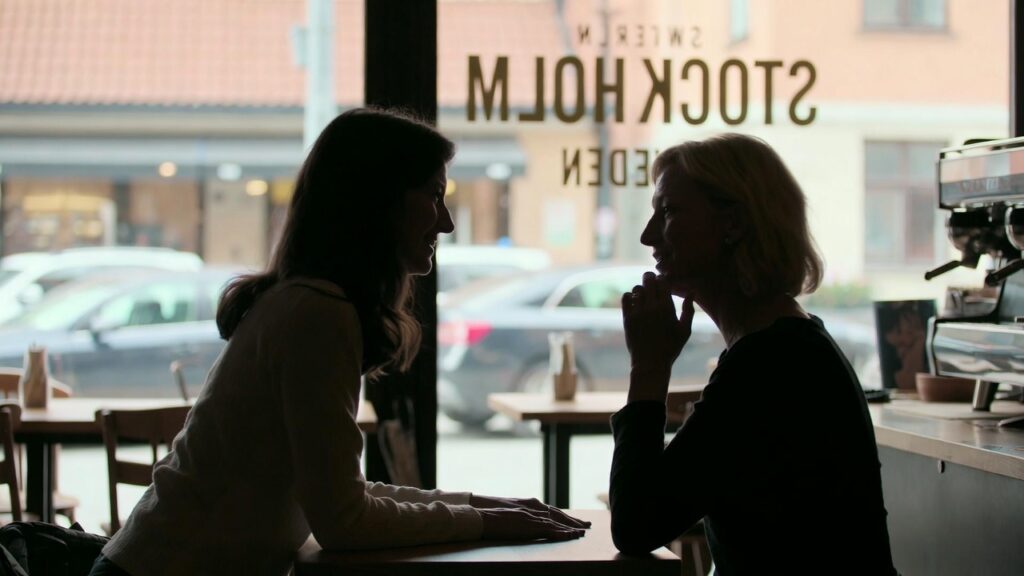
Swedish ideas about privacy also play a role. People are often careful not to intrude, and giving someone space is considered respectful. Two neighbours can live beside each other for years and limit their relationship to a greeting in the stairwell. To someone from a more socially open culture, this can feel cold. The newcomer waits to be invited, while the Swede assumes the newcomer wants privacy. Both may be open to friendship, but neither wants to impose, so nothing happens.
They are not so spontaneous…
Spontaneity can make things harder. You may ask a colleague to have dinner on Friday and receive an answer that sounds like a scheduling meeting. They need to check the family calendar, the children may have activities and the weekend might already be planned. Another evening three weeks later may be suggested instead. This does not necessarily mean they are avoiding you. In Sweden, a plan three weeks ahead can be completely sincere. Social time is often organised well in advance, and once something is booked, people tend to take it seriously. The process may feel slow, but the commitment is often reliable.
Workplaces are one of the easiest places to meet people. Swedish offices are usually informal, colleagues eat lunch together and the daily coffee break creates space for conversation. Even so, the line between work and private life can remain firm. You may know what someone did during the weekend, hear about their children and talk every day without ever visiting their home. The relationship is genuine, but it belongs to the workplace. Crossing that line usually requires someone to be direct. Saying that you should meet sometime is easy to ignore. Suggesting coffee next Saturday at two gives the other person something concrete to answer.
The most effective way to make friends in Sweden is often not to search for friendship directly. It is to find an activity that happens regularly. Join a sports club, attend a language café, volunteer, sing in a choir or take an evening class. Swedish social life is strongly connected to organised activities and local associations. These settings remove the pressure from the first meeting because nobody needs to create a friendship immediately. You only need to return the following week. Repetition matters. The first time, people may only say hello. After a few visits, they ask where you are from. A few weeks later, someone may sit beside you, continue an earlier conversation or suggest having coffee. What feels slow is often a process of building familiarity. People begin to trust that you are part of the group and that you will still be there next week.
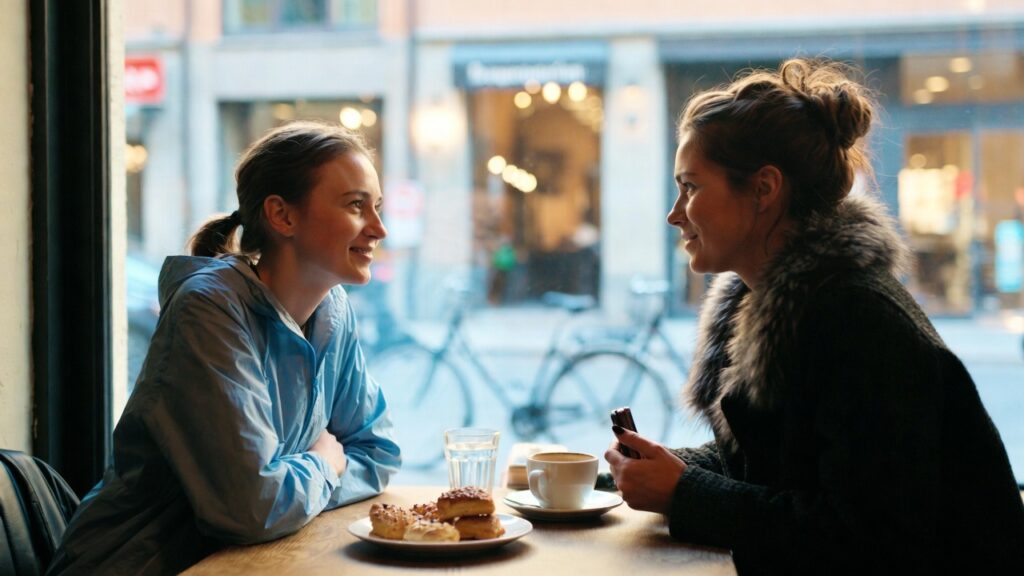
Learning Swedish helps, even when everyone around you speaks English. It is possible to live in Sweden for years using English, and many Swedes will switch language as soon as they notice that you are struggling. That is practical, but it can leave you slightly outside the group. Conversations naturally return to Swedish. Jokes become quicker, references become more local and people interrupt each other more freely in their first language. Nobody may intend to exclude you, but the social rhythm changes.
You do not need perfect Swedish to benefit from it. Even limited Swedish makes it easier to remain in a conversation and shows that you are interested in staying, understanding and participating. Language does not create friendship by itself, but it makes more social situations available.
The uncomfortable truth is that you may have to take more initiative than feels fair. You may need to send the second message, suggest the actual date and invite people home before anyone invites you. Some friendly colleagues will remain colleagues, and some invitations will lead nowhere. That can feel personal when you are far from your old friends and still trying to understand the social rules.
Jantelagen is also worth remembering when you are trying to make friends in Sweden. The idea that nobody should act as if they are more important, successful or interesting than everyone else still influences Swedish social behaviour, even if people rarely mention it directly. Talking too much about your achievements, dominating the conversation or trying hard to impress can create distance rather than admiration. This does not mean that you need to hide who you are. It means that friendship here often grows more easily when you show curiosity, listen well and allow trust to develop without turning every meeting into a performance.
Waiting quietly for Sweden to adopt you rarely works. Be specific, return to the same places and give relationships time to develop. Swedish friendships may be slow because they are often built through repetition, reliability and shared routines rather than immediate enthusiasm. Once they form, they can be deep, loyal and lasting.