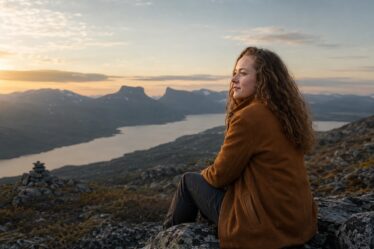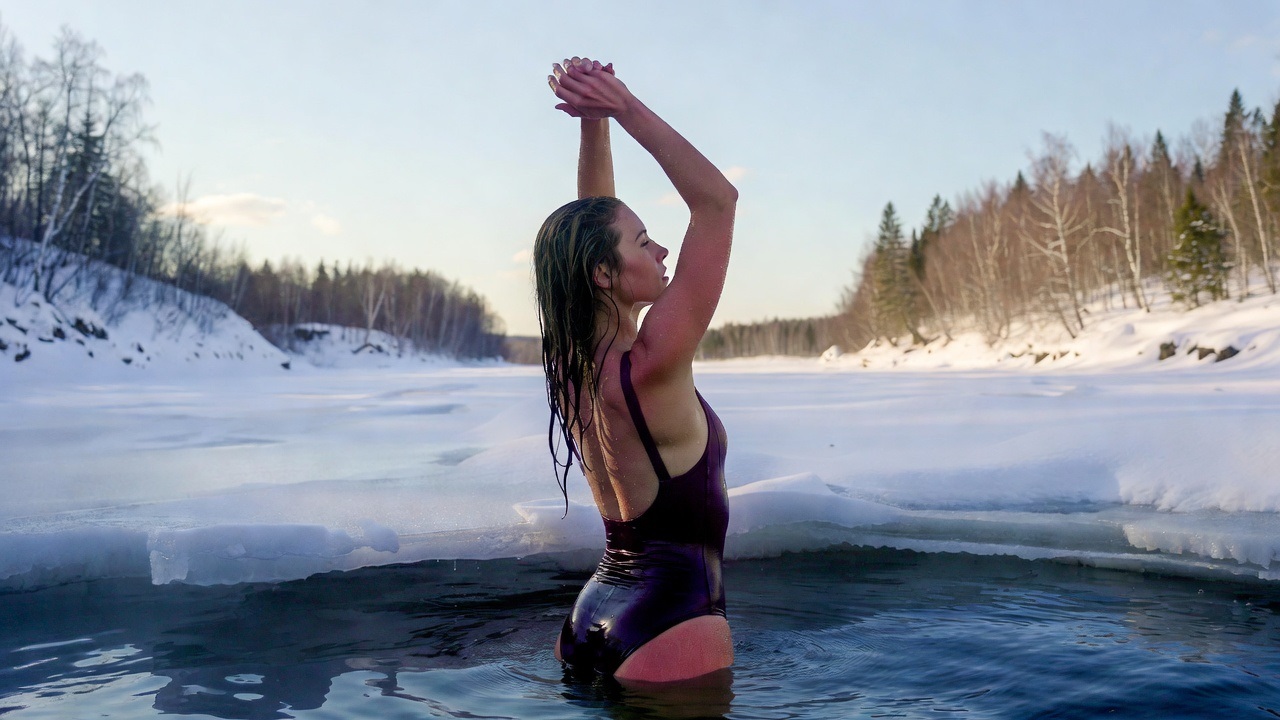
Winter bathing in Sweden has shifted from something fringe and slightly eccentric into a visible, growing habit that cuts across age groups, cities, and lifestyles. What was once associated with small, dedicated groups of cold water swimmers is now something you see on urban docks, in coastal towns, and even in city marketing. People stepping into near freezing water, climbing down ladders into dark lakes or the sea, then heading straight for a sauna or wrapping themselves in towels on a wooden jetty. It looks extreme from the outside, but inside Sweden it has become surprisingly normal.
Part of the rise comes from how accessible it is. Sweden has a long coastline, thousands of lakes, and a strong culture of public access to nature. You don’t need a membership or a special setup. In many places, there are simple bathing spots that remain open year round, sometimes with ladders maintained even when ice forms around them. Add to that the widespread availability of saunas, both public and private, and you get a natural pairing that lowers the threshold. Cold water followed by heat is not new, but it has become more visible and more intentional.
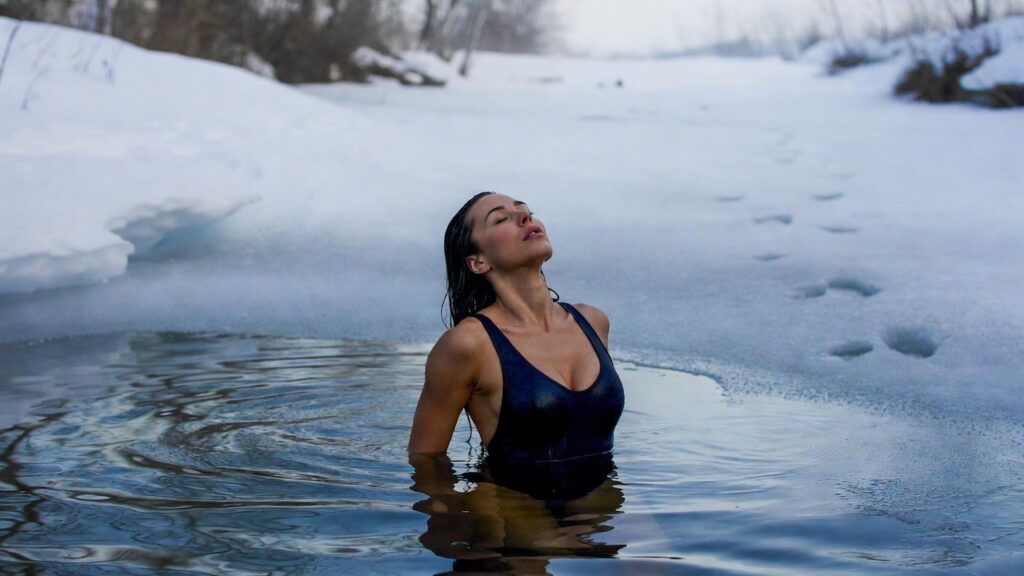
There is also a shift in how people talk about health. Winter bathing is often framed as a way to boost circulation, improve mood, and build mental resilience. The scientific evidence is still debated, but the subjective experience is consistent. People describe a sharp, controlled stress followed by a sense of calm and clarity. In a country where winters are long, dark, and often mentally demanding, that immediate contrast has strong appeal. It is not just about physical health, but about breaking the monotony of the season.
Social media has played a role as well. What used to be a quiet, local habit is now something people share. Images of frozen shorelines, steam rising from the water, and swimmers standing in snow have a certain visual pull. That exposure has helped normalize the activity and attract newcomers. At the same time, it has slightly changed the tone. For some, it remains a personal ritual. For others, it becomes a challenge or a statement, something to prove or document.
There is also a deeper cultural fit. Sweden already has a strong relationship with contrast in everyday life. Light and dark, summer and winter, activity and stillness. Winter bathing fits into that pattern. It is a way of engaging with the season rather than avoiding it. Instead of waiting for spring, you step directly into the cold and make it part of your routine.
What is interesting is how the practice has moved into cities. In places like Stockholm, Gothenburg, and Malmö, you now see designated spots where people gather throughout the winter months. Some are organized, with changing rooms and saunas, while others are informal, just a ladder and a group of regulars. It creates small communities around a shared habit, often with an unspoken understanding. You arrive, you go in, you endure the cold, and you leave with the same quiet satisfaction.
At the same time, it is not without risk. Cold water shock is real, and the difference between a controlled dip and a dangerous situation can be small without preparation. That has led to more awareness around safety, such as gradual exposure, never going alone, and understanding your limits. The growing popularity has brought both enthusiasm and a need for more education.
What stands out is how quickly something once considered unusual has become part of the mainstream conversation. It is not universal, far from it, but it is no longer niche. Winter bathing has found a place in Swedish life as a simple, low tech way to interact with the environment, challenge yourself, and break the rhythm of winter. It doesn’t require much, just water, a bit of courage, and a willingness to step into something uncomfortable on purpose.