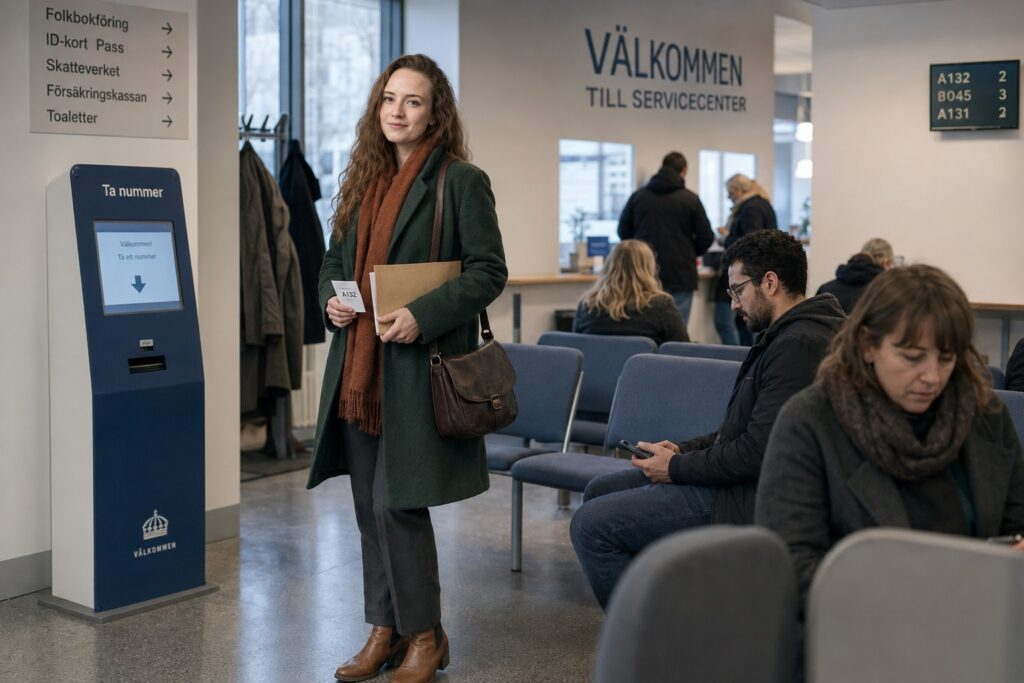
The woman at the service centre looked at my papers, then at her screen.
“You need to speak to the other authority,” she said.
There are several versions of this sentence in Sweden. They are usually polite and followed by the name of an authority you thought you had already contacted.
I had arrived believing that Sweden offered strong rights and efficient institutions. Both were true. What I had not understood was that having a right and being able to use it are not always the same thing.
Everything begins with one question: why are you legally allowed to live in Sweden?
Your status decides your rights
Nordic citizens can move to Sweden without a residence permit. Citizens of the EU and EEA can normally stay for up to three months and remain longer if they work, study, run a business or can support themselves.
People from outside the EU and EEA usually need a residence permit based on work, studies, family connections or protection.
This status affects how long you may stay, whether you may work and what happens if your circumstances change. A person with a work permit may need to check whether changing employer or occupation also requires a new application.
Two people can arrive on the same day and live on the same street while being governed by completely different rules.
The number that opens Sweden
If you plan to live in Sweden for at least one year, you will normally need to register with the Swedish Tax Agency. Once registered, you receive a personal identity number.
Officially, it is an administrative identifier. In everyday life, it can feel like the key to the country.
Banks, employers, healthcare providers, insurance companies and digital services frequently ask for it. Without one, ordinary tasks can become unexpectedly difficult.
A personal identity number does not give you permission to live in Sweden. Your residence permit or right of residence does that. But it often determines how easily you can function once you are here.
People staying for less than a year may instead receive a coordination number, which does not always provide the same practical access.
Healthcare and social insurance
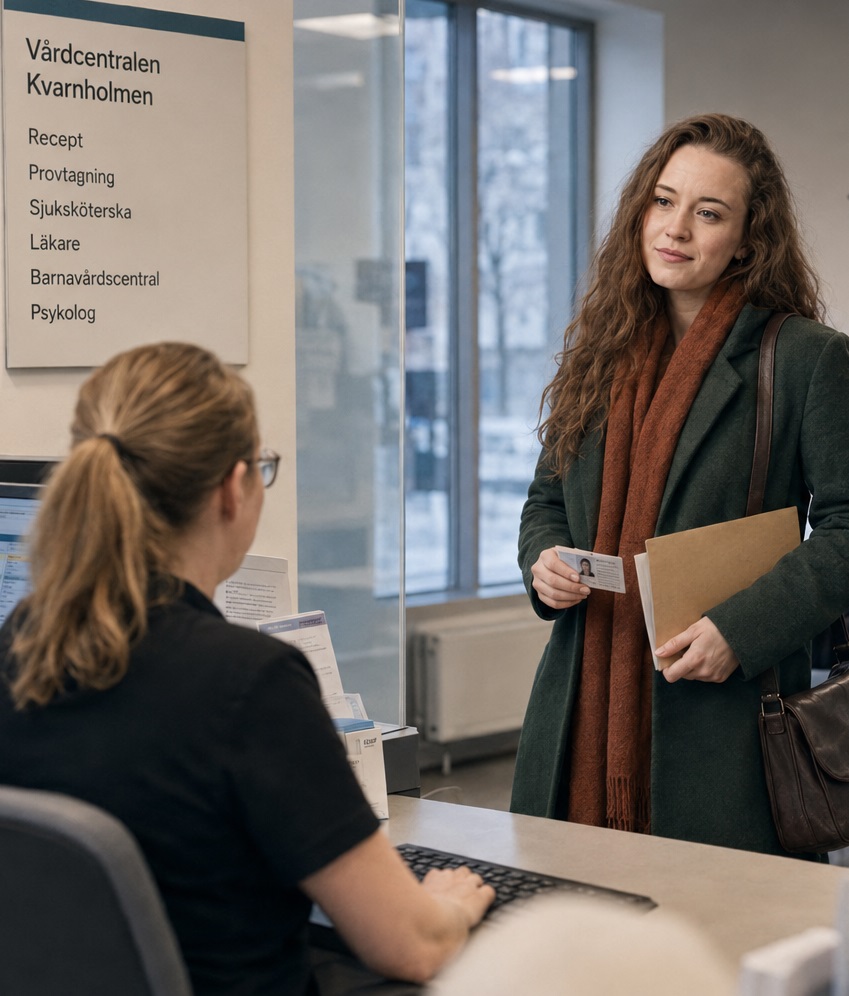
People registered as living in Sweden normally have access to public healthcare on the same terms as other residents.
For others, the rules depend on factors such as where they come from, whether they work in Sweden and which country is responsible for their insurance. Adult asylum seekers are entitled to urgent care and care that cannot wait. Children have broader rights.
Social benefits are a separate matter.
A personal identity number does not automatically give you child allowance, parental benefit, sickness benefit or housing allowance. The Swedish Social Insurance Agency decides whether you are insured in Sweden and whether you qualify for a particular benefit.
This is one of the most important distinctions to understand. Being allowed to live in Sweden is not the same as being registered. Being registered is not the same as being covered by every part of the welfare system.
Children often enter first
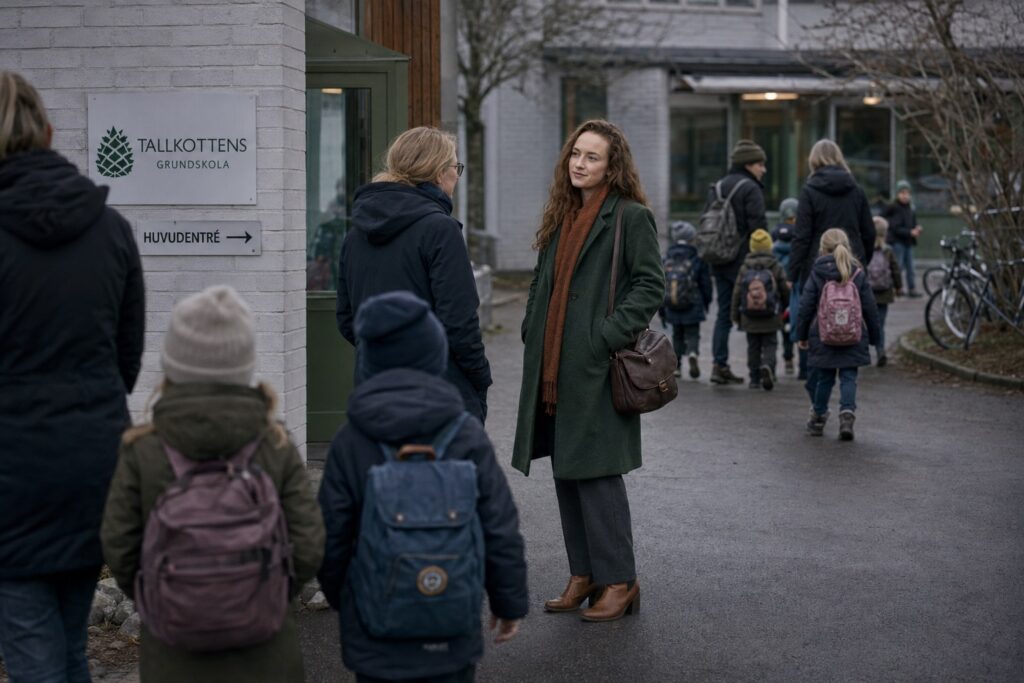
Children who live in Sweden generally have the right to attend school. This also applies to many asylum seeking children and some children who are not registered in the country.
Newly arrived pupils may have their previous knowledge assessed and receive language support or other assistance.
For many families, the child enters Swedish society before the adults do. A parent may still be waiting for documents, a bank account and a decision from an authority while the child already has classmates, a timetable and strong opinions about school lunch.
Your rights at work
Anyone working in Sweden is protected by rules on areas such as workplace safety, annual leave, sick pay, parental leave and discrimination.
But Sweden does not have one general statutory minimum wage. Pay, overtime, insurance, pensions and working hours are often regulated through collective agreements or individual contracts.
You should therefore check:
- whether the workplace has a collective agreement
- what salary and working hours apply
- how overtime is compensated
- whether insurance and occupational pension are included
- what notice period applies
For someone with a work permit, poor employment conditions can affect more than income. They may also threaten the legal basis for remaining in Sweden.
Housing is where trust becomes expensive
Sweden has several forms of housing, including first hand contracts, second hand rentals, rooms in someone else’s home and privately owned apartments.
The greatest immediate risk for a newly arrived person is often paying someone who has no right to rent out the property.
Before paying rent or a deposit, verify the landlord’s identity, check that the person is allowed to rent out the home and read the contract carefully.
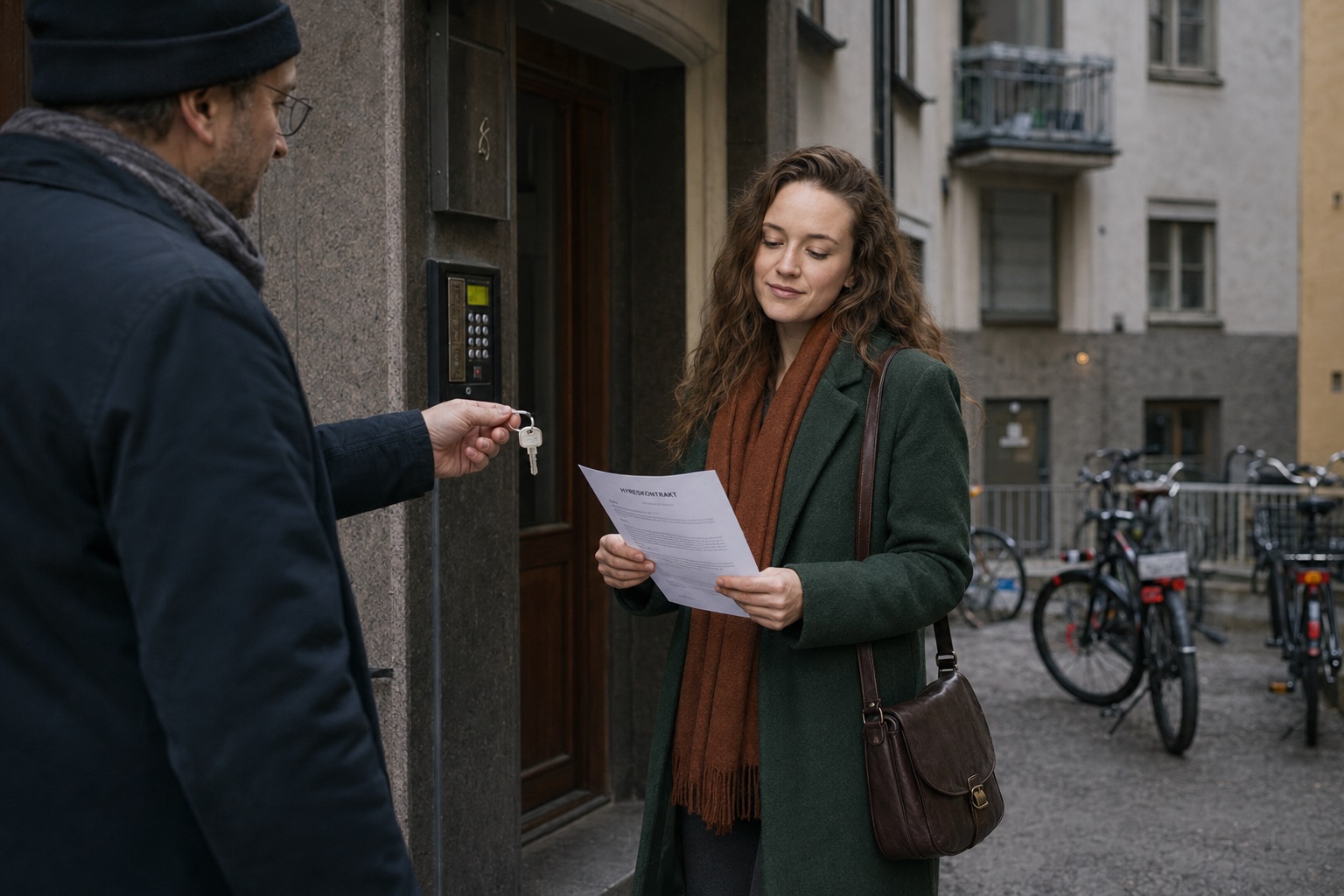
A real apartment does not guarantee a legal rental. A real key does not guarantee that the person handing it to you has the right to do so.
Protection when something goes wrong
Swedish law protects people against discrimination in areas such as employment, education, healthcare, housing and public services.
Not every unfair experience is legally classified as discrimination. The treatment normally needs to be connected to a protected ground such as ethnicity, religion, sex, disability, sexual orientation or age.
Save emails, messages, contracts and other evidence. Swedish institutions have a strong affection for documents. In this situation, that may help you.
You also have the right to receive reasons for many decisions made by authorities. If an application is rejected, the decision should normally explain why, whether you can appeal and when the appeal must be submitted.
Read the deadline carefully. A strong appeal sent too late may never be considered.
Learn which door to use
The Swedish state is not one organisation.
The Migration Agency handles residence permits, work permits, asylum and citizenship. The Tax Agency manages population registration, personal identity numbers and tax. The Social Insurance Agency deals with benefits and social insurance. Municipalities are responsible for areas such as schools and social services, while regions manage healthcare.
Back at the service centre, my number finally appeared on the screen.
I walked to the desk with the same folder as before. The documents had not changed. The system had not become simpler.
But this time, I knew which question belonged to which door.