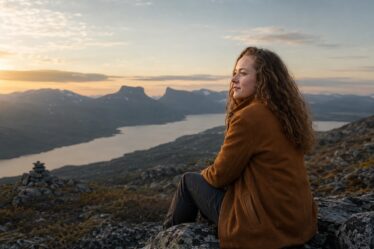
Stand on the shoreline of Vänern and it does not feel like a lake. The horizon stretches wide and blue. Waves build with real force when the wind shifts. There are archipelagos, working harbors, white beaches, medieval towns, and open water that can look more Baltic than inland.
Autumn in Vänern
Vänern is the largest lake in Sweden and the largest in the European Union. For american travelers used to the Great Lakes, that comparison is the closest mental shortcut. Yet Vänern feels more intimate, more navigable, and more woven into daily life.
Going out on a boat here is not just an activity. It is how you understand western Sweden.
A freshwater sea with its own archipelago
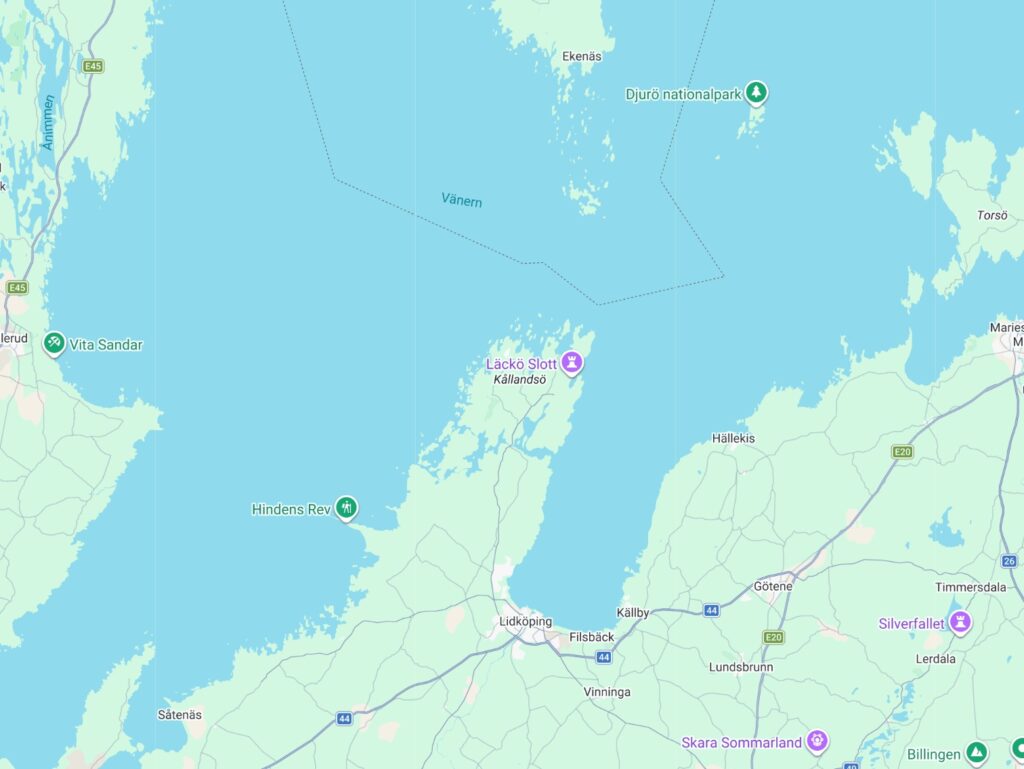
Vänern covers more than 2,000 square miles and holds thousands of islands. The most famous island cluster is around Kållandsö, where sheltered bays and rocky islets create calm passages even when wind builds offshore.
Further north, the archipelago near Lurö feels remote and lightly inhabited. Low pine forests lean toward the water. Smooth rock slabs invite swimmers. In summer, small guest harbors fill with sailboats flying Swedish flags, and evenings stretch long under soft Nordic light.
Unlike saltwater archipelagos, this is entirely fresh. You can swim without salt on your skin. You can fill water tanks directly from the lake in some areas. It changes the rhythm of life on board.
Wind that demands respect
The Largest Fresh Water Archipelago in the World
Vänern’s size means wind matters. When weather systems move across central Sweden, waves can grow quickly over long fetch. Conditions that look calm at breakfast can feel offshore by afternoon.
Local boaters treat the lake with respect. Checking forecasts is routine. Harbors and natural coves are chosen with wind direction in mind. For visitors renting a sailboat or motorboat, local briefings are part of the experience.
The reward is variety. One day can be gentle island hopping in sheltered waters. The next can feel like a serious passage across open lake toward a distant harbor town.
Medieval towers and modern marinas
Sailing on Vänern is not only about wilderness. The shoreline is dotted with small towns and historical sites that give structure to a journey.
Approaching Läckö Castle by boat is one of the lake’s iconic experiences. The white baroque castle rises directly from the water on a narrow peninsula. Mooring nearby and walking up to its courtyards connects lake life with 17th century history in a way that feels almost theatrical.
On the southern shore, Lidköping offers a working harbor atmosphere mixed with cafés and summer markets. Further east, Karlstad sits where the Klarälven river meets the lake, blending river culture with big water horizons.
You can design a route that alternates between silent anchorages and lively docks.
Swimming from the rocks
One of the simplest pleasures of boating on Vänern is swimming directly from smooth granite shores. Many islands have gently sloping rock faces that warm in the sun. Boats anchor a short distance away, and swimmers climb up using natural cracks in the stone.
The water can be surprisingly clear, especially in calm weather. In late summer, temperatures become comfortable enough for long swims, though it remains brisk compared to southern european waters.
There is a particular Swedish feeling to stepping from a warm rock into cool freshwater while pine trees frame the horizon.
Fishing and quiet mornings
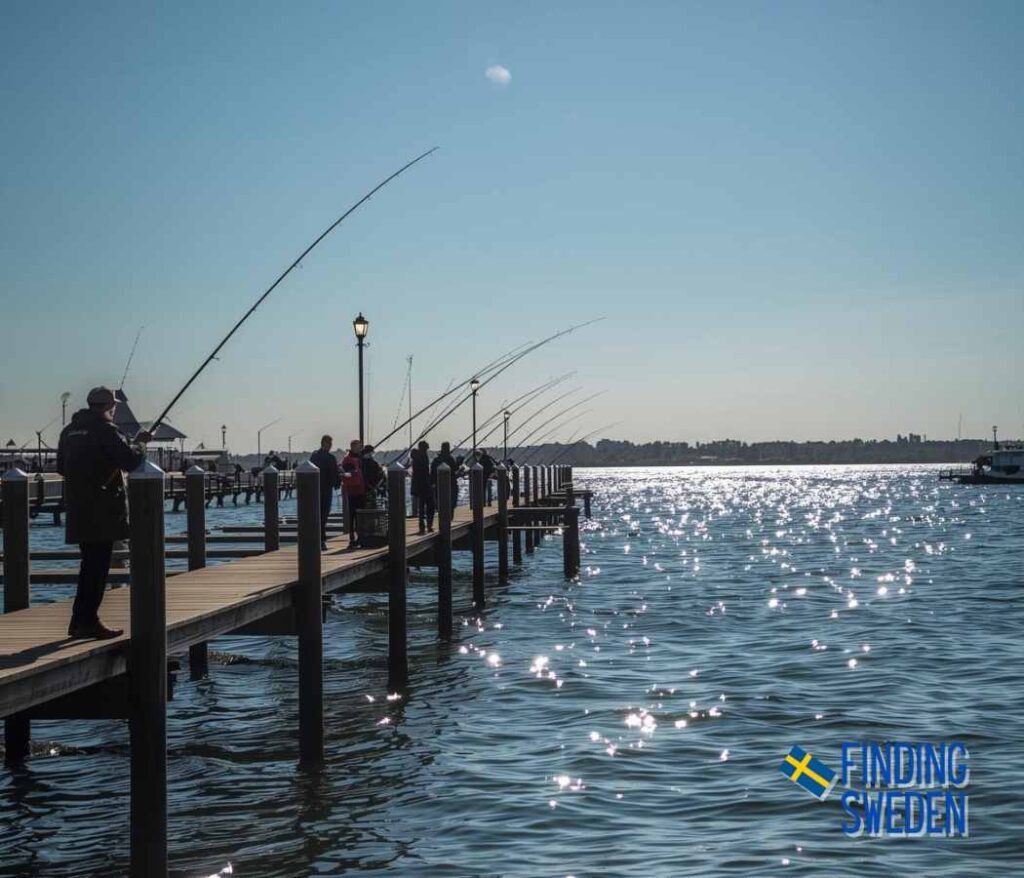
Large group fishing at the piers in Hammarö, in northern Vänern.
Vänern is known for its fish populations, including salmon and trout. Early mornings often bring small fishing boats heading out before wind builds. Mist can hover just above the surface, and the lake feels immense and empty.
For visitors, guided fishing trips are available, but even without a rod, being on deck at sunrise shows another personality of the lake. Light spreads slowly across wide water, and distant islands emerge from shadow.
Houseboats and slow travel
Not every journey on Vänern is under sail. Houseboats and motor cruisers offer slower exploration, especially along sheltered stretches and near river mouths. This kind of travel emphasizes lingering. Mooring near a small island. Cooking onboard. Watching evening light stretch past 10 p.m in high summer.
Because the lake is freshwater, maintenance and corrosion concerns are different from coastal boating. Many Swedes keep boats here specifically for that reason.
For american travelers who associate Scandinavian boating mainly with the Stockholm archipelago, Vänern can feel like a hidden inland counterpart.
Seasons shape the mood
Summer is peak season, with long days and lively guest harbors. Late spring and early fall bring quieter docks and crisp air. In winter, parts of the lake can freeze along sheltered edges, transforming marinas into silent landscapes of ice and snow.
Each season redefines what a boat trip means. In July it is about social evenings and swimming. In September it is about calm anchorages and cool mornings wrapped in blankets.
Why it surprises americans
Sweden is often marketed abroad through forests, northern lights, and design culture. A vast inland sea with castle approaches, island hopping, and open water sailing rarely makes the first page of travel brochures.
Yet boating on Vänern reveals a different Sweden. One where freshwater feels oceanic. Where medieval architecture meets modern marinas. Where light stretches the day and islands offer privacy without isolation.
Step aboard and the map changes. Sweden is not only north and snow. It is also horizon and wind across an inland sea.