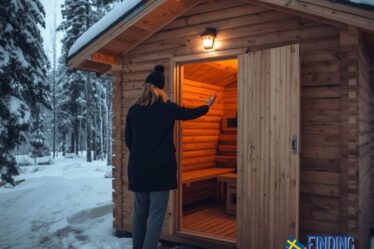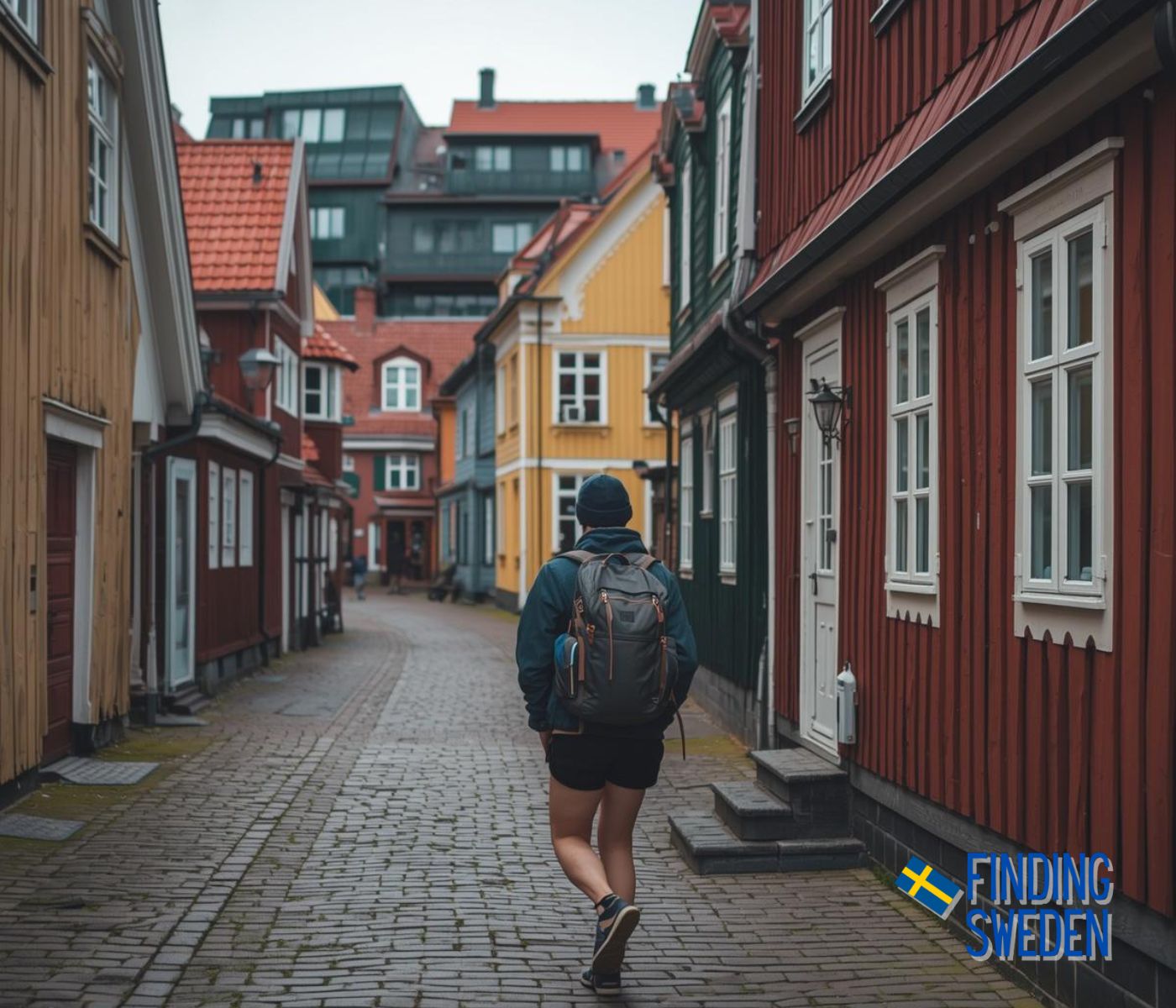
Backpacking in Sweden offers a rare combination in Europe: vast wilderness, well maintained trails, and the freedom to explore nature almost everywhere. Forests stretch for hundreds of kilometers, mountains rise along the Norwegian border, and thousands of lakes create endless places to stop for the night. What makes Sweden particularly appealing for backpackers is that the landscape is accessible and relatively safe, yet still feels wild and uncrowded.
One of the most important things to understand before setting out is the Swedish right of public access, known as allemansrätten. This principle allows people to walk across most land, camp for a night in many natural areas, and enjoy the outdoors even on privately owned land. The rule that guides everything is simple: do not disturb and do not destroy. Stay away from houses, avoid cultivated land, and leave nature exactly as you found it. For backpackers this freedom means you are not limited to official campsites, which opens up a huge range of possibilities for multi day routes.

A much needed café break for a Swedish Fika after a day visiting the sights of Stockholm.
Choosing the right region is another key decision. Northern Sweden offers the most dramatic landscapes, especially in Lapland where mountains, tundra, and long valleys dominate the terrain. The famous Kungsleden trail runs through this region and is one of Europe’s most well known long distance hiking routes. Central Sweden provides a different experience, with endless forests and lakes that are easier to access and often quieter than the far north. Southern Sweden is more cultivated but still offers scenic trails through farmland, coastlines, and nature reserves.
The best time for backpacking depends on how comfortable you are with weather and insects. The main hiking season runs from late June through early September. During this period temperatures are usually mild and snow has melted from most trails. Early summer can bring large numbers of mosquitoes in northern regions, especially in wet areas near lakes and rivers. Late summer and early autumn often provide the most comfortable conditions with cooler air and fewer insects.

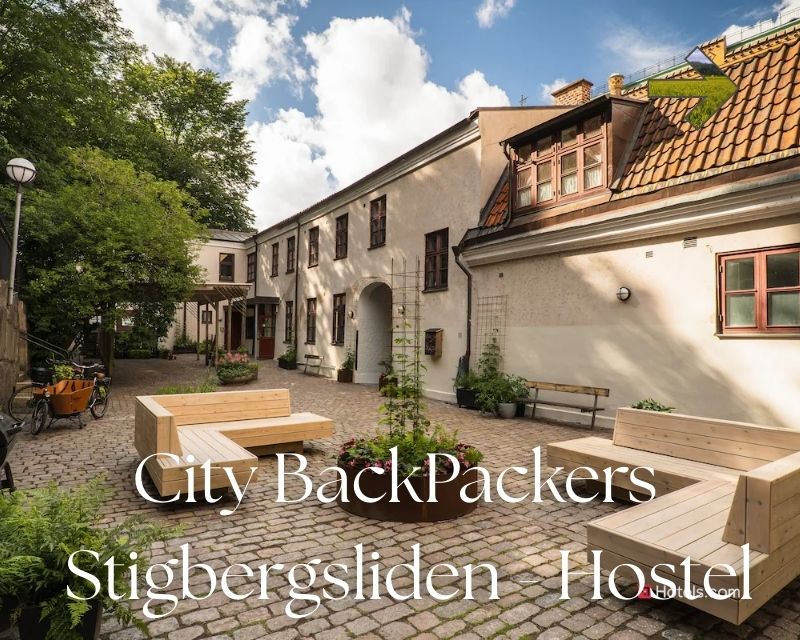
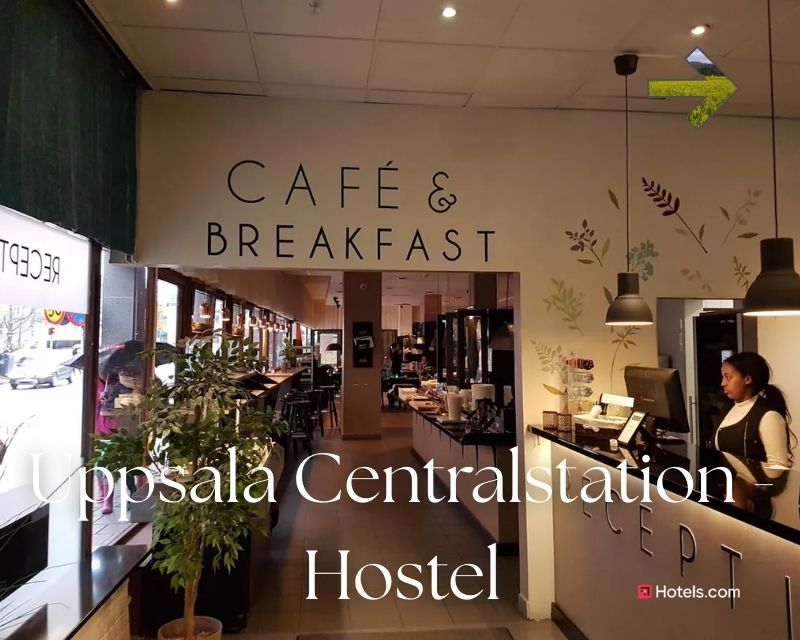
Be inspired by hostels on Hotel.com


Sweden’s long daylight hours during summer are one of the great advantages for backpackers. In the far north the sun barely sets, and above the Arctic Circle it may not set at all for several weeks. This allows hikers to travel at unusual hours, whether early in the morning or late at night, without worrying about darkness. The extended daylight also makes navigation easier and provides more flexibility when planning distances between campsites.
Water is rarely a problem in Sweden because lakes and streams are so common. However, it is still wise to treat or filter water whenever possible, particularly near populated areas or grazing animals. Many experienced hikers carry a simple filter or purification tablets. In remote mountain areas, flowing streams are often considered safe, but caution is always recommended.
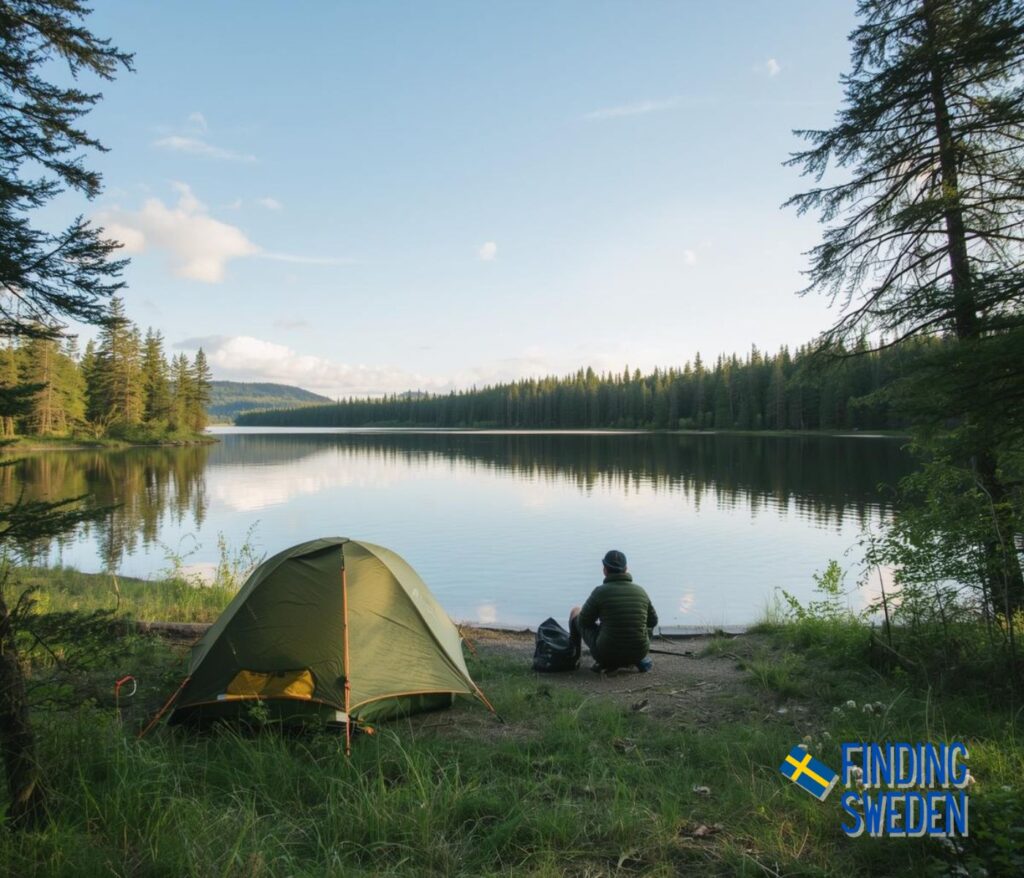
Swedish allemansrätten gives you the right to tent for a night anywhere in Sweden, with the exception of next to someones house.
Camping in Sweden is straightforward but requires some awareness. A single tent for a night or two is generally acceptable in most natural areas as long as you are not too close to homes. Choose durable surfaces such as grass or gravel and avoid damaging vegetation. Fires may be allowed in some places, but you should always check local fire restrictions and use existing fire pits if possible. During dry periods, fire bans are common and must be respected.
If you prefer additional shelter along the way, Sweden also has a network of simple mountain huts and shelters on certain trails. These huts often provide beds, cooking areas, and emergency protection from severe weather. Some are staffed and require payment, while others are basic shelters open to anyone. Even if you plan to use huts, it is still recommended to carry a tent or emergency shelter in case conditions change.
Navigation is usually straightforward because many popular trails are clearly marked. Still, it is important to carry a map and compass, especially in remote areas where mobile coverage may be unreliable. Weather can change quickly in the mountains, and fog or rain can reduce visibility. Having basic navigation skills is essential for safety.
Sweden is generally considered a safe country for outdoor travel. Dangerous wildlife encounters are extremely rare. Bears, wolves, and lynx live in Sweden but tend to avoid people. The greater challenges are usually weather conditions, river crossings in mountain areas, and long distances between services in remote regions.
Backpacking in Sweden is less about conquering difficult terrain and more about experiencing quiet landscapes at your own pace. With the freedom provided by the right of public access, hikers can move through forests, along lakes, and across mountain valleys without many of the restrictions found in other countries. For those who enjoy solitude, long summer light, and simple camps under open skies, Sweden offers one of the most rewarding backpacking experiences in Europe.