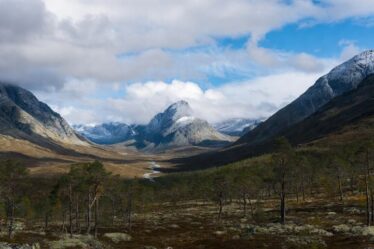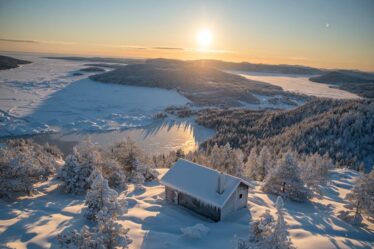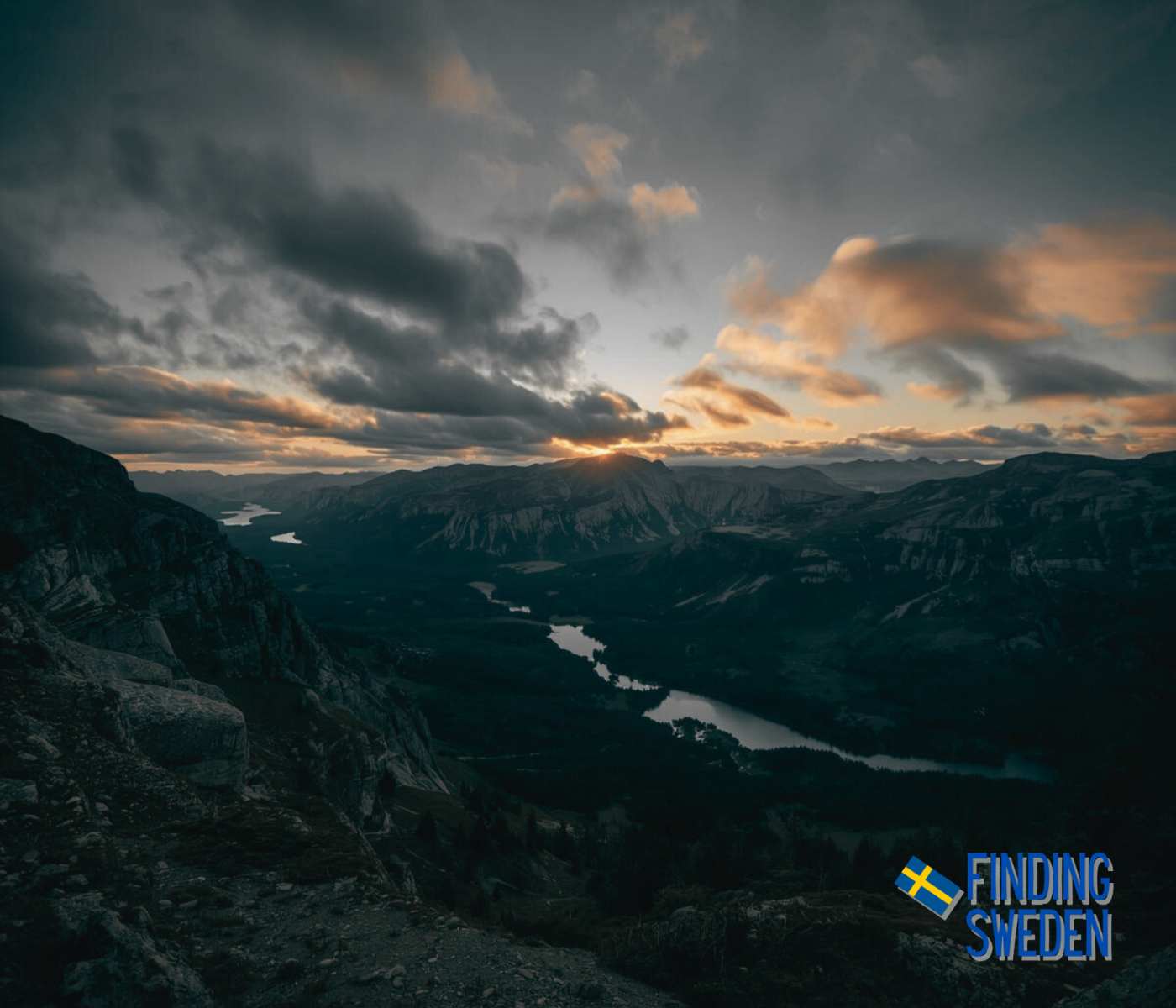
Travel far north in Sweden and you enter a world defined not by temperature but by light. Here the sun does not follow the usual pattern of rise climb set. Instead it lingers, disappears, and returns in cycles that shape local culture travel rhythms and everyday life in ways most americans will never have experienced.
Far above the Arctic Circle the sun stays above the horizon for weeks in summer. In winter it stays below it for just as long. These extremes are called the midnight sun and the polar night. Understanding them and how Swedes live with them reveals a different kind of travel experience.
A summer that never ends
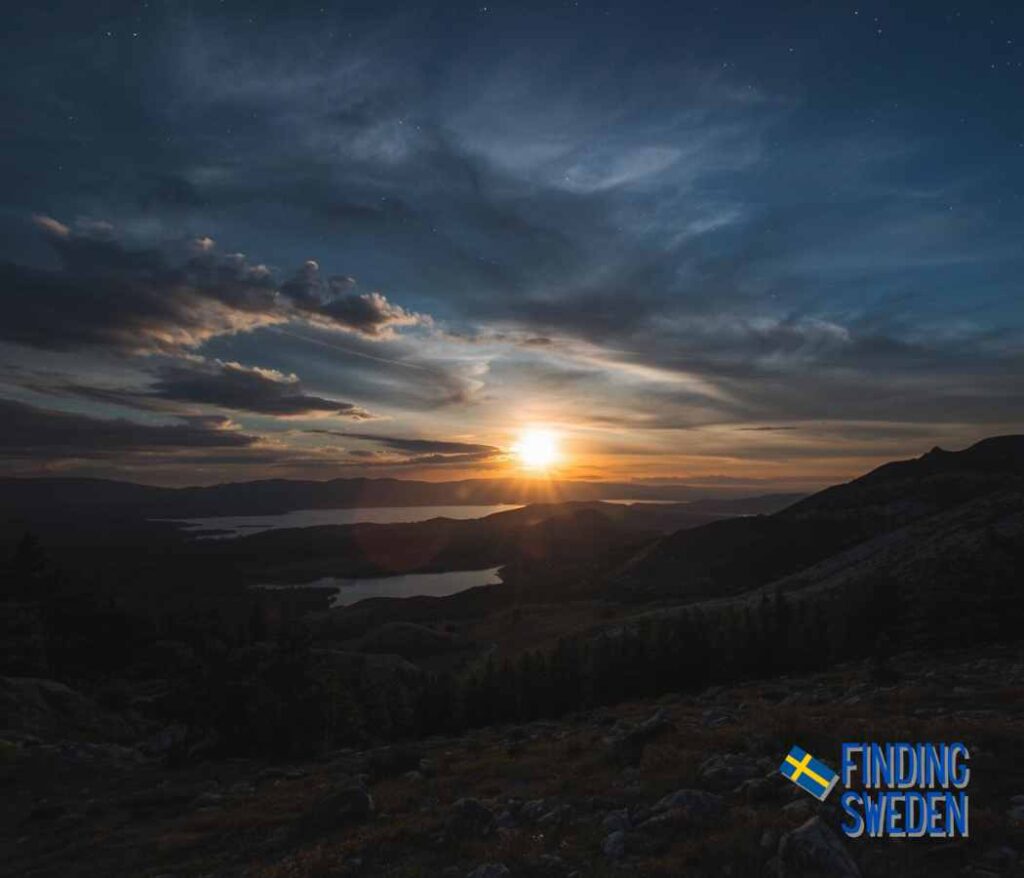
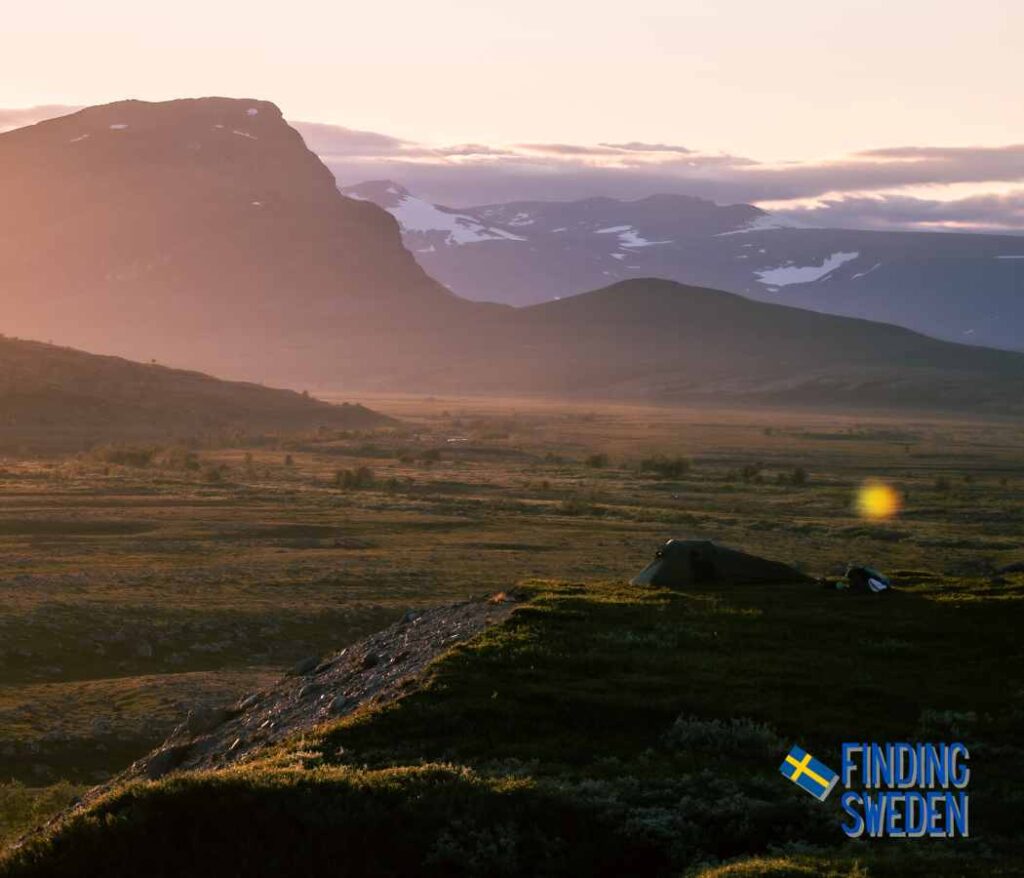
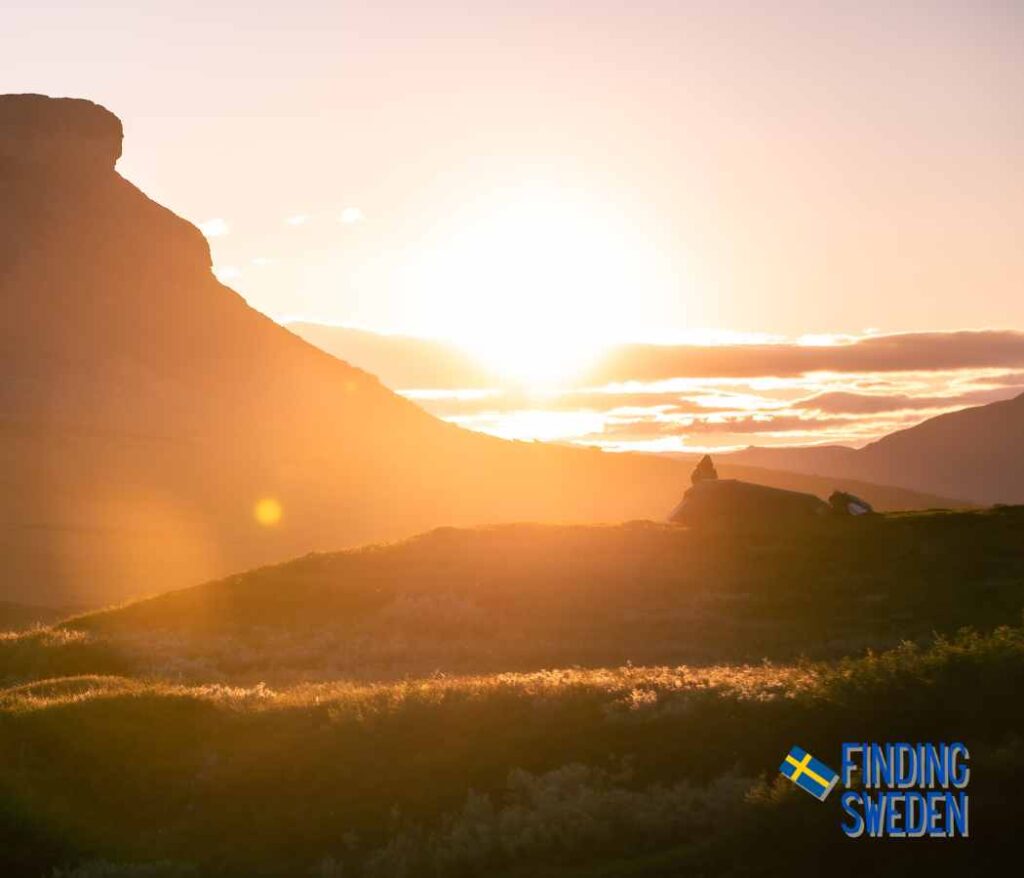
In the weeks around the summer solstice the sun barely dips below the horizon in northern Sweden. In places like Kiruna and Abisko the sky may never get fully dark for weeks on end. This is the midnight sun.
For travelers this means evenings that feel like mornings and mornings that feel like evenings. Locals treat it less as a novelty and more as extended daylight. Dinner at 10 p.m is normal. Hikes often start at midnight simply because the light invites it. Train schedules and shop hours stay normal but the sense of time shifts.
Swedes adapt by using blackout curtains to sleep. It is common in hotels guesthouses and even private homes. Travelers often discover that normal sleep becomes easier when the body can cue darkness even if the sun refuses to set.
When dark becomes day
The other extreme is winter’s polar night. In far north Sweden the sun may not rise above the horizon for a month or more. This is not total darkness. Reasonably bright dawn like light can linger around midday but the sun itself does not reach the horizon.
Swedes have learned to cope by redesigning everyday life. Outdoor festivals often use artificial light as celebration rather than utility. Markets and town squares become spaces of warm colors and lamps. Even in tiny villages there are light sculptures and installations that are part of the winter rhythm.
For travelers this darkness has texture. Snow on the ground can reflect ambient light. Clear skies bring stars and unexpected color even when the sun is absent. Much of the beauty is subtle not stark.
The sun shapes culture not just schedules
The cycles of light and dark ripple into social practices. In summer people treat outdoor space as an extension of the home. Parks are full late at night. Lakes see swimmers at untraditional hours. Fishing expeditions start in the lull between sunset and sunrise that never truly arrives.
In winter the tendency is to cluster indoors around light sources. Cafes have large windows that welcome the faint glow of mid-day. Saunas and warm gathering places become social anchors. The lack of light also leads to early dinners and a culture that values quiet evenings more than frenetic nights.
Food and light
Seasonal light also influences cuisine. Summer berries grow in abundance under the extended sun and become staples in desserts juices and jams. Winter menus often feature root vegetables and rich broths that feel warming and grounding in the long dark months.
In northern Sweden traditional dishes often celebrate seasonal harvests and survival. Cloudberries in summer. Reindeer stews in winter. The light cycle gives these seasonal foods cultural weight beyond nutrition.
Nature experiences tied to time of day
For adventurers the relationship with light unlocks unique experiences. In summer you can hike at midnight and never lose daylight. Photography sessions become about chasing the soft quality of late evening sun around 11 p.m instead of sunrise.
In winter the darkness invites aurora chasing. The northern lights appear when the sky is dark enough and with far less light pollution than most american destinations. Snowmobiles and husky tours often begin in the late afternoon because that’s when the light is right for spectacle.
Light and wellbeing
Swedes are conscious of the psychological effects of long dark spells. Public health initiatives include light therapy lamps in workplaces and schools. Many homes have strategically placed lamps to create warmth and rhythm when the sun is absent. For visitors this is a reminder that travel is not just about what you see but how your body responds.
A rhythm that stays with you
Experiencing the midnight sun and polar night is more than a checklist item. It presses you to rethink time itself. In the north of Sweden light is not a backdrop to life. It is a partner.