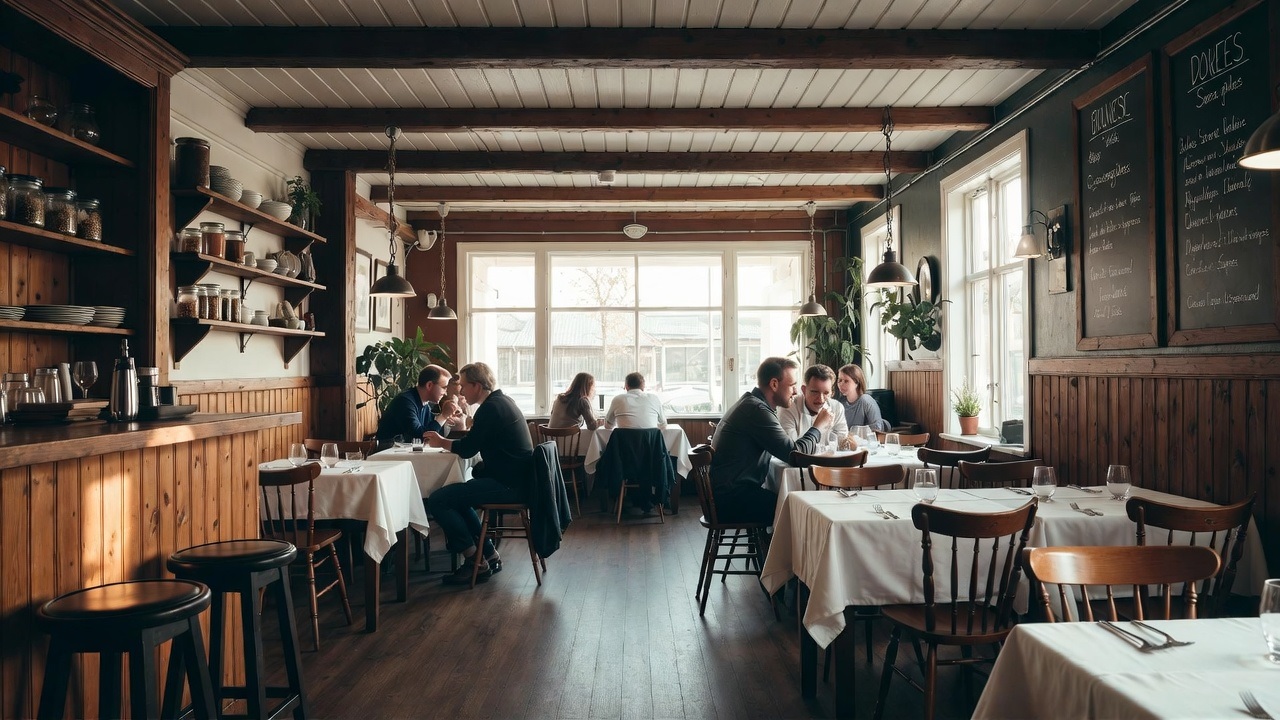
If you spend any time eating out in Sweden, the price gap between lunch and dinner stands out immediately. The same restaurant that feels almost inexpensive at noon can feel noticeably premium just a few hours later. It is not subtle, and it is not accidental. What looks like a simple difference in meal pricing is actually the result of a very structured system shaped by habits, expectations, and a kind of quiet efficiency that runs through much of Swedish daily life.
At the center of it all is the concept of dagens lunch, the daily lunch offering that most restaurants build their midday business around. Instead of a full menu, there are usually one or two main dishes, sometimes a vegetarian option, and everything is prepared in advance in large quantities. This alone changes the entire economic model of the kitchen. Cooking at scale means less waste, fewer decisions, and a much faster service flow. Ingredients are bought with precision, prep work is done early, and when the rush begins, the kitchen is not improvising but executing. Compared to dinner service, where each table might order something completely different and expect it freshly prepared, lunch becomes almost industrial in its efficiency. That efficiency translates directly into lower prices.
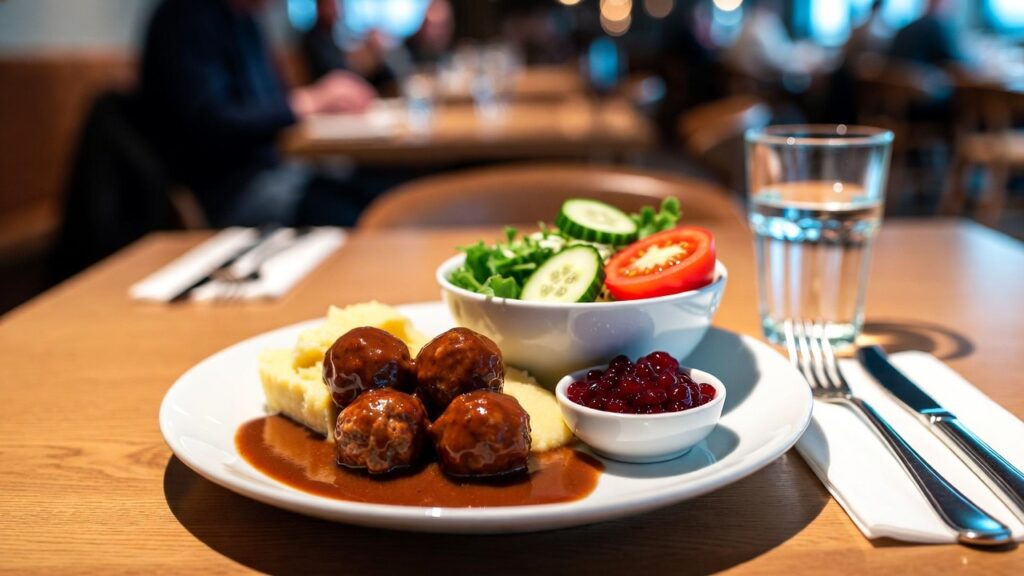
Meatballs, mash and Lingenberry Jam is common for lunch in Sweden
The timing of lunch reinforces this system even further. In Sweden, the lunch window is narrow and predictable. Office workers tend to arrive within the same hour, often between half past eleven and one, creating a concentrated wave of demand. For a restaurant, this is an ideal scenario. You can plan exactly how many portions to prepare, how many staff members are needed, and how quickly tables will turn over. A full dining room can be served, cleared, and refilled within a short span of time. Dinner does not behave like this. Guests arrive at different times, stay longer, and expect a more relaxed experience. That unpredictability and slower turnover mean higher costs per guest, and those costs inevitably show up on the bill.
There is also a deliberate strategic element behind lunch pricing that is easy to overlook. For many restaurants, lunch is not primarily about profit margins. It is about visibility and continuity. A busy lunch service keeps the restaurant active during hours that might otherwise be quiet, keeps staff working consistently, and ensures that the brand stays present in people’s routines. When someone finds a reliable lunch spot near their workplace, that familiarity can later translate into a dinner booking or a recommendation to friends. In that sense, lunch acts almost like a daily advertisement that customers pay for themselves. Pricing it lower is not a loss, it is part of a broader strategy to build repeat business.
Another detail that makes Swedish lunches feel particularly good value is what is included alongside the main dish. It is common to get access to a salad buffet, bread, water, and coffee, sometimes even a small dessert, all within the same price. On the surface, this looks generous, but from the restaurant’s perspective it is carefully controlled. These extras are inexpensive to produce in bulk, often self served, and have high margins relative to their cost. By bundling them into the lunch offer, restaurants create the impression of abundance while keeping expenses predictable. At dinner, the same items are separated, priced individually, and presented with more attention, which naturally raises the total cost of the meal.
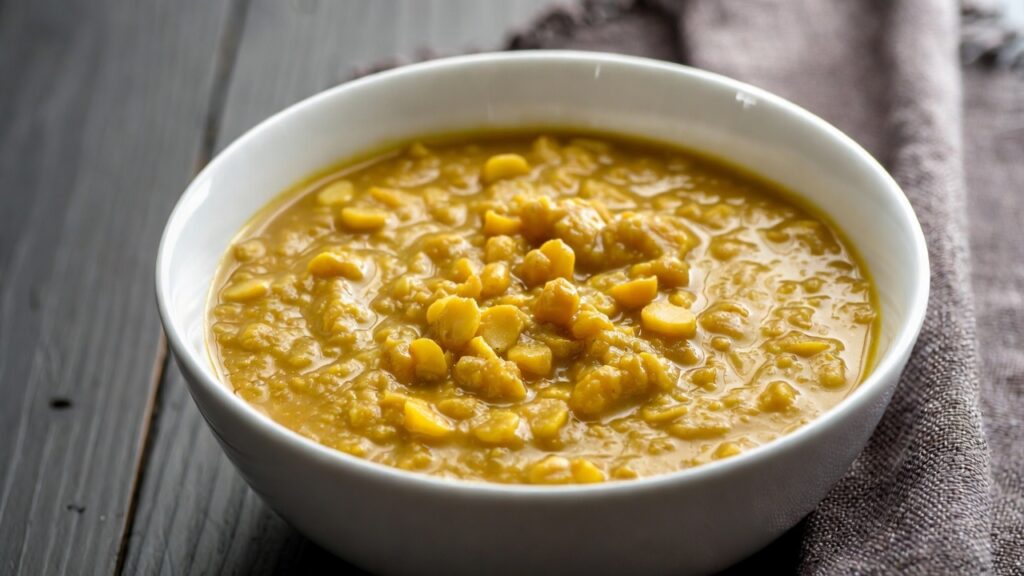
Pea Soup is often served on Thursdays, an old Military tratidion in Sweden. It’s followed by Pancakes with cream and jam
Cultural expectations play a significant role as well. In Sweden, lunch is generally treated as a functional break in the workday rather than a social event. People want something quick, filling, and reasonably priced. There is little expectation of lingering, ordering multiple courses, or spending heavily. Dinner, on the other hand, carries a different meaning. It is where people take their time, meet friends, drink wine or beer, and turn the meal into an experience. That shift in purpose changes how much people are willing to pay. Restaurants respond accordingly, not just by raising prices but by offering a broader menu, more complex dishes, and a higher level of service that matches the expectation.
Alcohol is another quiet but important factor in the price difference. Swedish restaurants operate within a system where alcohol sales carry high margins and are a significant part of evening revenue. Lunch service typically has little or no alcohol consumption, which limits how much revenue can be generated per guest. Dinner, by contrast, often includes drinks, and those drinks can quickly exceed the cost of the food itself. This allows restaurants to structure their pricing so that the overall dinner experience becomes more profitable, even if individual dishes are not dramatically more expensive to produce.
When you put all of this together, the gap between lunch and dinner prices stops looking surprising. Lunch is built on predictability, volume, and controlled costs, supported by a cultural expectation of simplicity and speed. Dinner is built on flexibility, experience, and higher spending per guest, shaped by a different set of expectations around time, socializing, and indulgence. The same kitchen, the same staff, and often the same ingredients operate under two entirely different systems within the same day. That is why the price difference feels so large. It is not just about what is on the plate, but about how the entire operation is designed around it.