The first thing I noticed at the High Coast was how quickly Sweden stopped looking like Sweden.
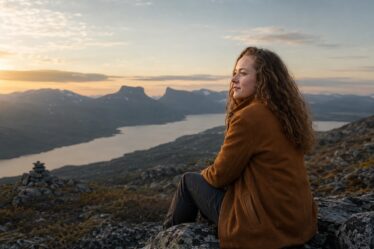
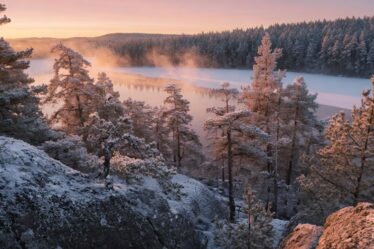
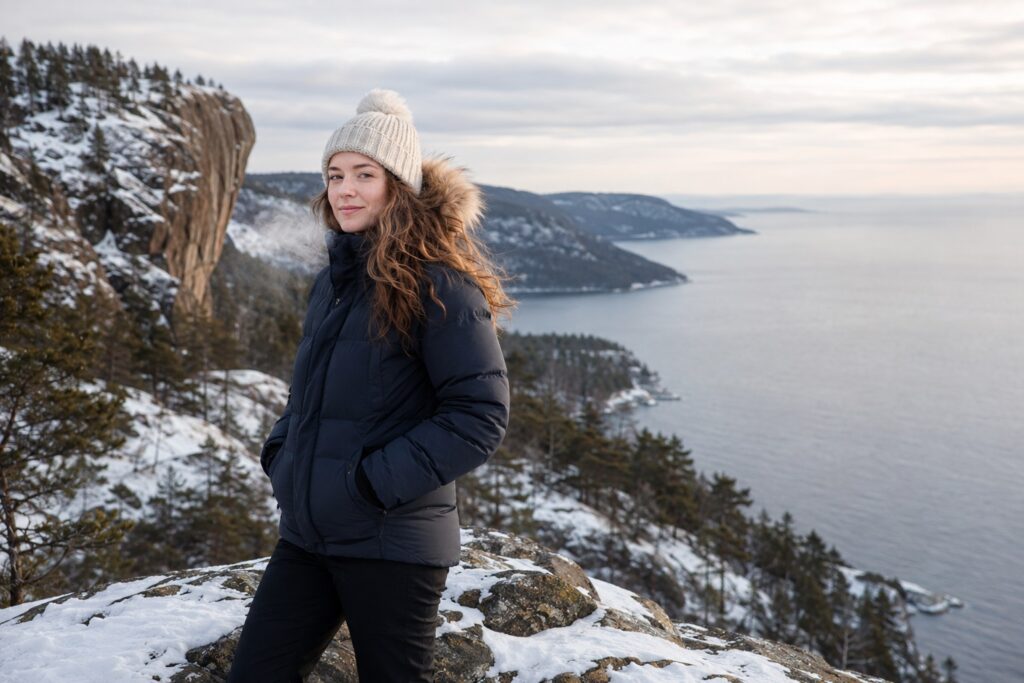
The road climbed, the forest broke apart and the ground became unexpectedly steep. Rock pushed through the snow. Dark pines clung to the slopes. Far below, the Baltic Sea appeared between the hills, cold and flat beneath the winter sky. I had expected forests, lakes and long horizontal views. Instead, the landscape seemed to have been folded.
That shape is not accidental. Since the last ice age, the land here has continued to rise from the sea. The movement is slow enough to miss while standing still, but large enough to have transformed the coastline over time. New ground has emerged, shorelines have shifted and the terrain has become one of the clearest places in the world to see the effects of postglacial land uplift.
In Skuleskogen National Park, the geography becomes physical. Trails move from dense forest to exposed rock and then climb towards viewpoints over the coast. The distances are not always great, but the changes in terrain are. A walk that begins beneath the trees can soon feel more like a small mountain crossing than a typical Swedish forest hike.
The region also feels unusually empty. Villages, islands and small communities are scattered across a landscape that leaves little room for anything large. During the busiest summer weeks, a few places fill with visitors. Beyond them, roads grow quiet again and stretches of coast seem almost unoccupied.
The High Coast is beautiful, but it does not make itself easy. That may be part of its appeal.
Must see destinations in the High Coast
- Skuleskogen National Park
- Slåttdalsskrevan
- Skuleberget
- Via Ferrata Skuleberget
- Ulvöarna
- Nordingrå
- Mannaminne
- Högakustenbron
- Rotsidan
- Balesudden
On Ulvöarna, the slower pace is not an idea. It is a timetable.
Boats do not leave whenever you happen to arrive, restaurants may open according to the season rather than your appetite, and the distance between places can look deceptively small on a map. Nordingrå has a similar rhythm. There are places to stay, eat and explore, but the region does not rearrange itself around the visitor. You need to check the transport, understand what is open and accept that some plans depend on weather, daylight and the time of year.
This is also what gives the High Coast its character. The region is not built around large attractions or carefully packaged experiences. A day may consist of climbing Skuleberget, stopping repeatedly because the view keeps changing, and then eating fish from the surrounding waters in a small restaurant that feels connected to the place rather than designed as a destination in itself.
Hiking, kayaking and short boat trips are part of the landscape, not separate products imposed upon it. Accommodation is often locally run. Meals are simple. The distances between activities require movement, and the movement becomes part of the experience.
There are few large facilities and little pressure to keep visitors constantly entertained. Nature, food and local businesses exist close together, but not always conveniently. The High Coast rewards a little preparation and punishes the assumption that everything will be available on demand.
Swedish travellers have understood this for years. International tourism has been slower to notice, perhaps because the region lacks the concentrated attractions and predictable routes that make a destination easy to sell. What it offers instead is space, uneven ground and a coastline that asks you to work slightly harder for the view.