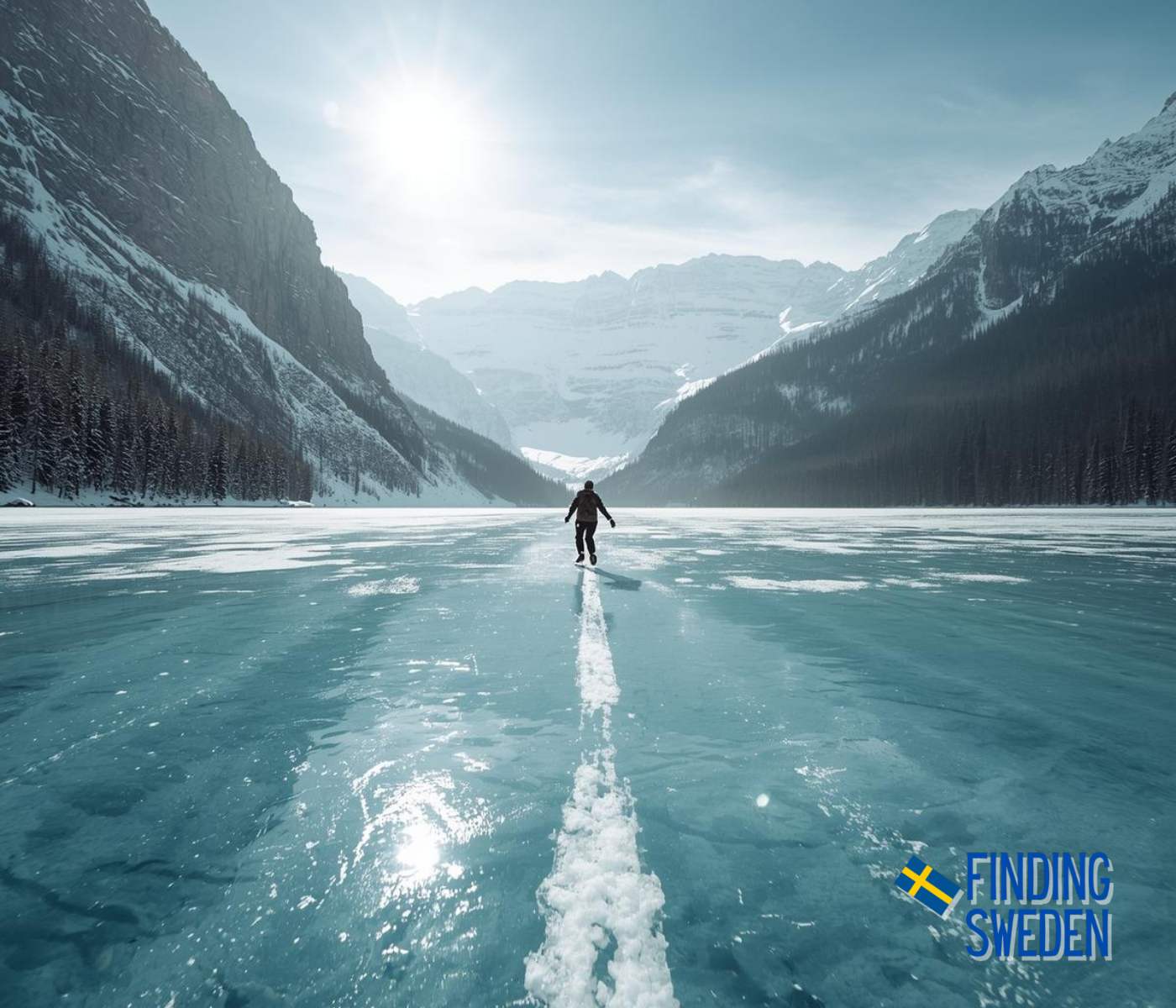
When winter arrives in Sweden and lakes begin to freeze, a special kind of skating season begins. Instead of heading to indoor rinks, many Swedes travel out onto frozen lakes and coastlines to practice what is known as long distance ice skating. In Swedish it is called långfärdsskridskor, and it is one of the country’s most distinctive outdoor winter activities.
Unlike traditional ice skating, which usually happens on prepared surfaces, long distance skating takes place on natural ice. Frozen lakes, rivers, and even sections of the Baltic Sea become temporary highways for skaters. When conditions are good, it is possible to glide across vast landscapes of ice for dozens of kilometers in a single day.
Watch the magic of nordic skating in this video
The equipment used for this activity is also different from ordinary skates. Long distance skates are typically longer and attached to special bindings that connect to cross country ski boots. This setup allows skaters to move efficiently over long distances while maintaining balance on uneven natural ice. Many skaters also carry safety gear such as ice picks and backpacks with extra clothing, since conditions on natural ice can change quickly.
One of the most appealing aspects of the sport is the scenery. Instead of circling a rink, skaters travel through quiet winter landscapes surrounded by forests, islands, and open sky. The sound of blades cutting across smooth ice echoes across frozen lakes, and in calm conditions the surface can be so clear that you can see deep into the water beneath.
Sweden’s geography makes it ideal for this activity. The country has nearly 100,000 lakes, and many of them freeze solid during cold winters. Along the Baltic coast, large stretches of sea ice can also form, creating endless skating routes between islands in archipelagos. When the ice is safe, experienced skaters sometimes cover distances that rival a full day of hiking.
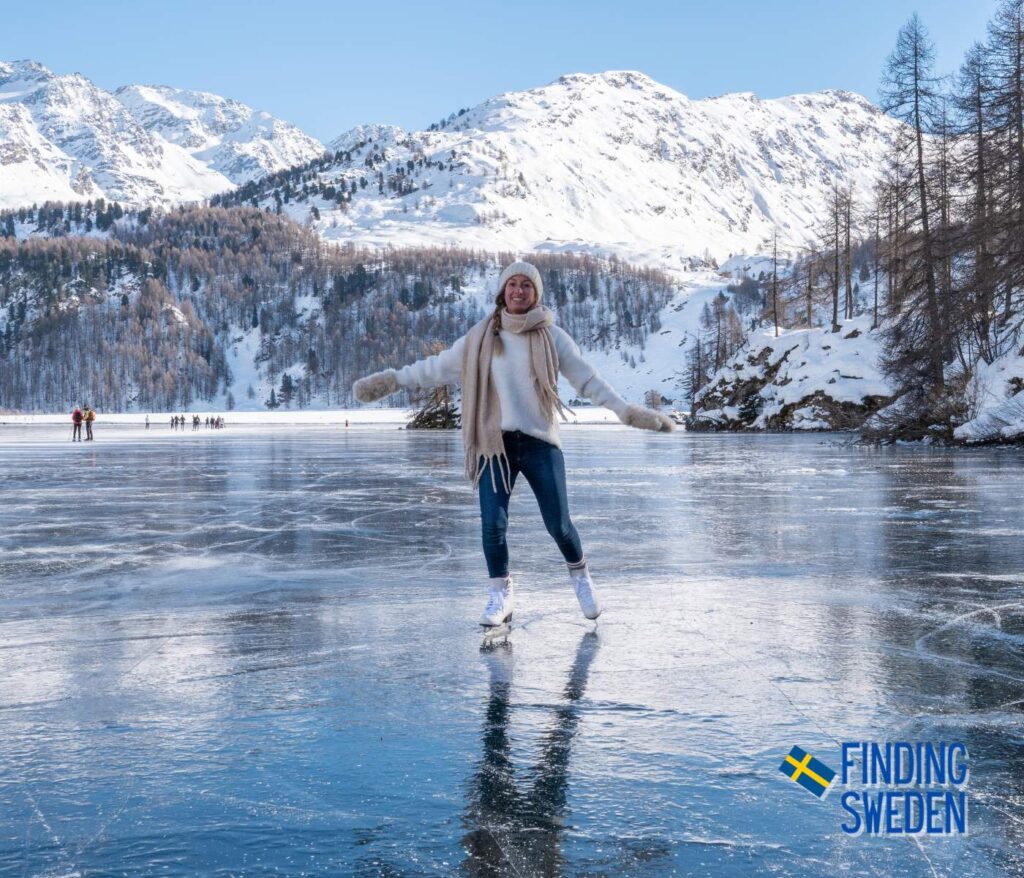
Safety is an important part of the culture around long distance skating. Because natural ice conditions vary, many people skate in groups and check ice thickness carefully. Clubs and local organizations often share information about safe routes and conditions. With the right preparation, the activity becomes both exhilarating and peaceful.
For many Swedes, long distance skating represents the essence of winter outdoor life. It combines exercise, adventure, and a deep connection with nature. Rather than staying indoors during the cold months, people embrace the frozen landscape and transform it into a playground.
For visitors who experience it for the first time, skating across a vast frozen lake under a pale winter sun can feel almost surreal. It is a reminder that in Sweden, winter is not something to endure. It is something to explore.