
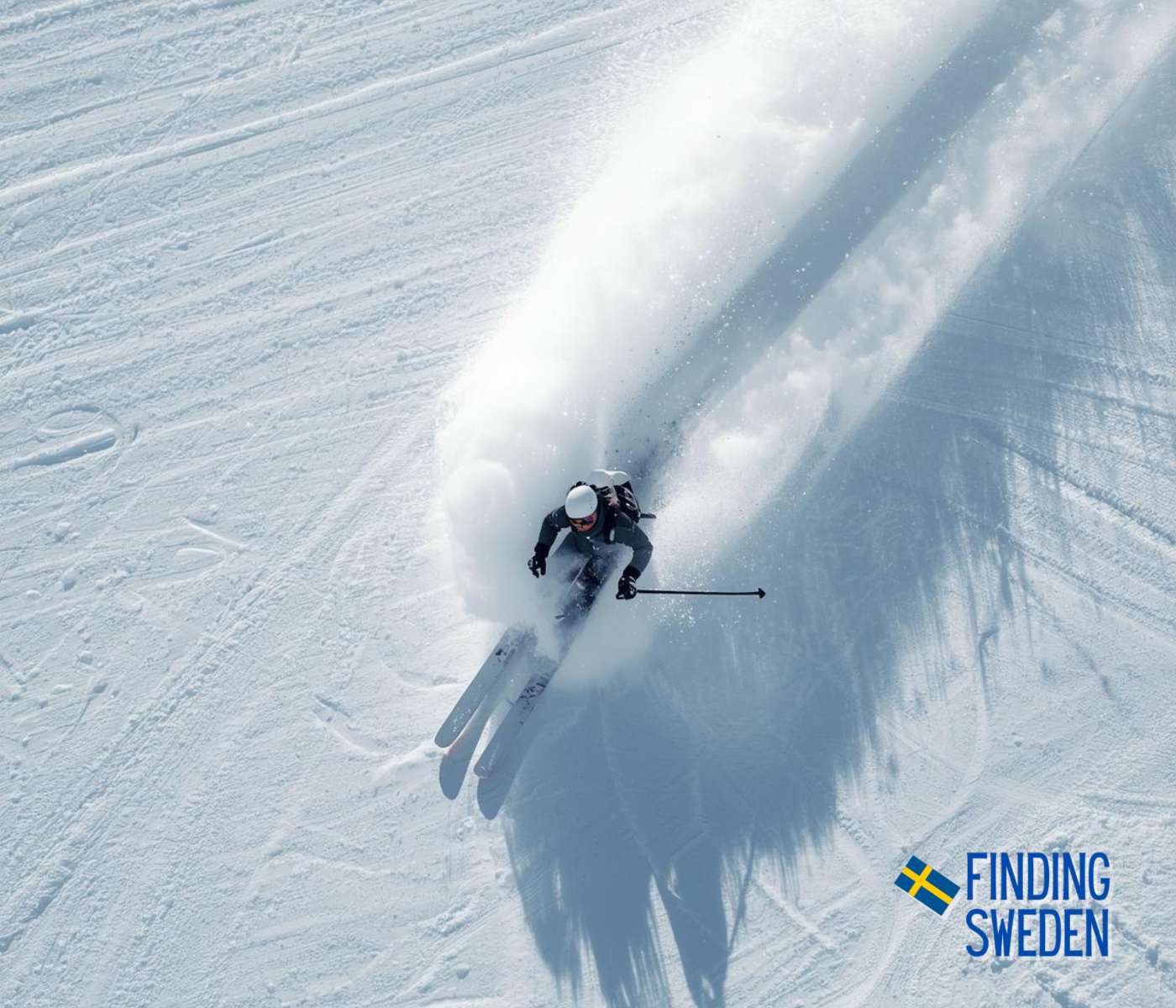
In Sweden, the winter sports holiday known as sportlov is not just a break from school. It is a national migration. Every February and early March, hundreds of thousands of families leave the cities and towns for the mountains, packing skis, winter jackets and the expectation of a week that has become one of the defining rituals of Swedish family life. Yet the timing of that week can dramatically affect how much the holiday costs. A recent analysis by the financial comparison service Zmarta shows that the same ski trip can be thousands of kronor more expensive depending on which week a family’s region happens to have off from school.
The idea behind sportlov originally had little to do with skiing or tourism. The school holiday was introduced in the 1940s, partly to save heating fuel in schools during the coldest part of winter. Over time it evolved into a winter break for students across the country. To avoid overwhelming travel systems and ski resorts, Sweden spread the holiday across several weeks, typically from week 7 to week 10, with different regions assigned different dates. This staggered schedule was meant to smooth out demand. Instead, it created a predictable wave of travelers moving through the ski resorts week by week, and the market has adapted accordingly. Prices now follow the rhythm of the calendar.

For a few weeks each year the Swedish migration to the mountains take place
According to the Zmarta study, the average ski holiday during the sportlov period now costs just over 33,000 Swedish kronor (about $3600) for a family of two adults and two children. That estimate includes accommodation in a cabin or apartment, lift passes and ski rental at some of the country’s largest resorts. What makes the figure striking is not just the absolute cost but the share of household income it represents. Today, that one week in the mountains corresponds to roughly 52 percent of a typical family’s monthly income, a significant increase from around 39 percent in 2020. The same holiday has therefore become noticeably heavier for family finances even though the experience itself has not changed much.
The calendar effect becomes especially clear when comparing the different sportlov weeks. The most expensive week is typically week 9, when Stockholm and large parts of central Sweden have their break. During that week the average ski holiday rises to nearly 35,900 kronor. Just a week later, when northern regions have their holiday, the average price falls to around 29,700 kronor. In other words, the same family, booking the same type of accommodation and skiing in the same resorts, might pay several thousand kronor more simply because of where they live and which week their children are off school.
The reasons are straightforward. Demand spikes when the population of the capital region travels to the mountains. Stockholm alone represents a large share of Sweden’s purchasing power, and the week when those families are free to travel becomes the peak of the winter tourism season. Resorts, rental agencies and transport providers adjust their prices accordingly. The phenomenon resembles airline pricing or hotel rates during major holidays in other parts of the world. When everyone wants the same week, the price of that week climbs.

It can be costly for a large family to stay at a ski resort during these weeks
Yet the economic impact varies widely across Sweden. Families outside the largest cities often face the same peak prices without having the same income levels. In regions such as Gävleborg, Kalmar or Gotland, the cost of a sportlov ski trip can correspond to roughly 57 to 58 percent of the household’s monthly income. In Stockholm, where incomes are generally higher, the share is closer to 44 percent even though the absolute prices are among the highest in the country. This imbalance means that the tradition of the winter ski week can feel very different depending on where a family lives and what they earn.
Despite the rising prices, the ritual remains remarkably resilient. For many Swedish families the ski trip is not just a vacation but a cultural expectation. The mountains are deeply woven into the national identity, and children grow up learning to ski almost as a rite of passage. Cabins are booked a year in advance, ski passes are shared between cousins and friends, and parents compare snow conditions as seriously as others might discuss summer weather. Even families who decide not to travel often still organize winter activities at home, filling the week with skating, sledding and day trips.
Over time Swedes have developed their own strategies to handle the rising costs. Some families travel during the very beginning or end of the sportlov period, hoping to catch slightly lower prices. Others choose smaller ski resorts instead of the most famous destinations such as Åre or Sälen. Renting equipment rather than buying it, sharing accommodation with relatives or friends, or shortening the trip to a long weekend are common adaptations. There is also a growing tendency to skip the mountains entirely in some years and replace the tradition with other winter experiences.
What remains constant is the rhythm of the holiday itself. Every winter the country divides into waves of schoolchildren on break, moving gradually northward through the ski season. Resorts prepare for each week as if it were a mini peak season, knowing that the following week a different region will arrive. For the families involved, however, the week is less about economics than about a shared moment in the year when school stops, work slows down and the landscape turns into a giant playground of snow and light. The price of the ski holiday may fluctuate depending on the calendar, but the cultural gravity of sportlov in Sweden has so far proven far more stable than the numbers attached to it.


