In large parts of rural Sweden, the story of the past few decades has been one of quiet decline. Young people have moved to cities, farms have consolidated, schools have closed, and villages that once supported shops and post offices have grown quieter each year. Against that backdrop, the rise of glamping has become an unexpected but meaningful force in revitalizing parts of the countryside. What began as a niche form of accommodation has evolved into a flexible, low impact way for landowners and small entrepreneurs to attract visitors without transforming the landscape they depend on.
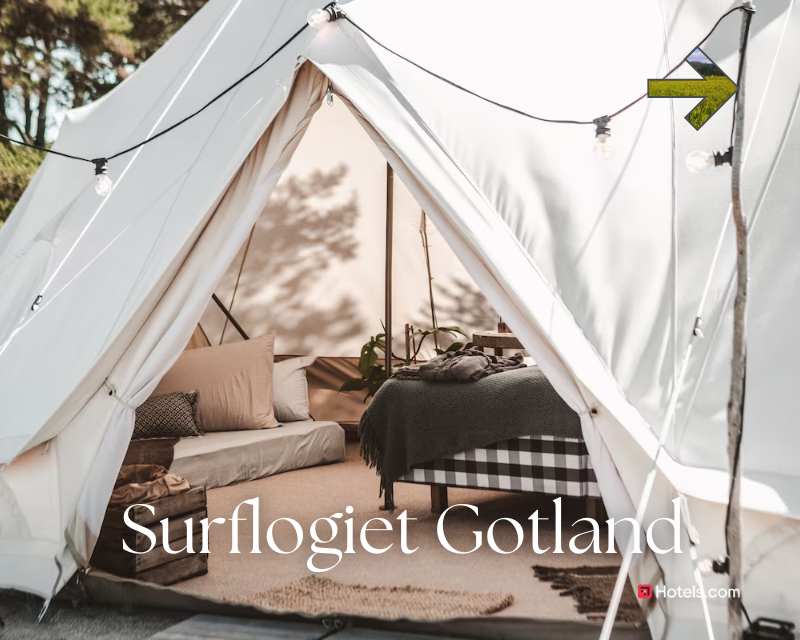
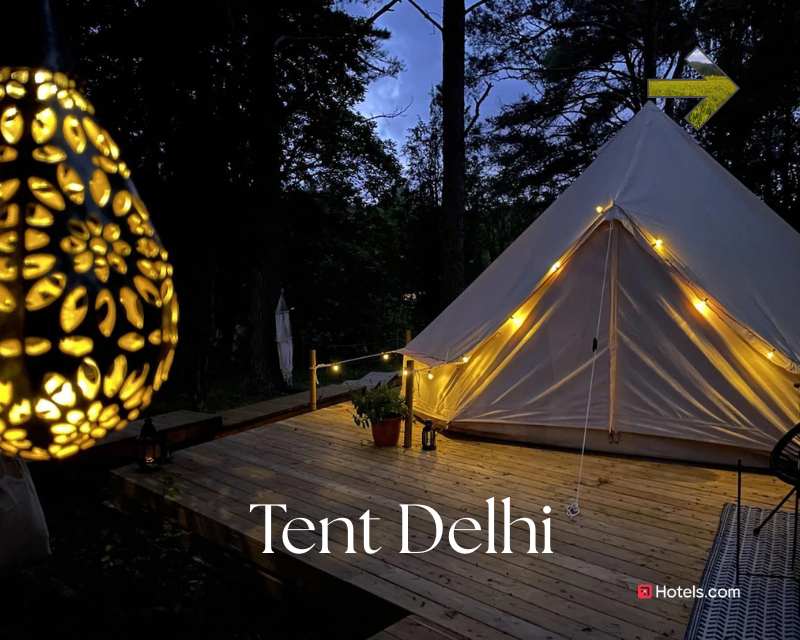
Glamping in Sweden rarely resembles large scale resort development. It often starts with a forest clearing, a lakeside meadow, or unused farmland. Instead of building permanent hotels that require heavy infrastructure and significant capital, hosts install canvas tents, wooden pods, yurts, or glass domes designed to blend into nature. The investment is smaller, the footprint lighter, and the aesthetic aligned with Sweden’s cultural emphasis on simplicity and environmental respect. This model makes it possible for families who already live in rural areas to diversify their income without abandoning agriculture, forestry, or other traditional livelihoods.
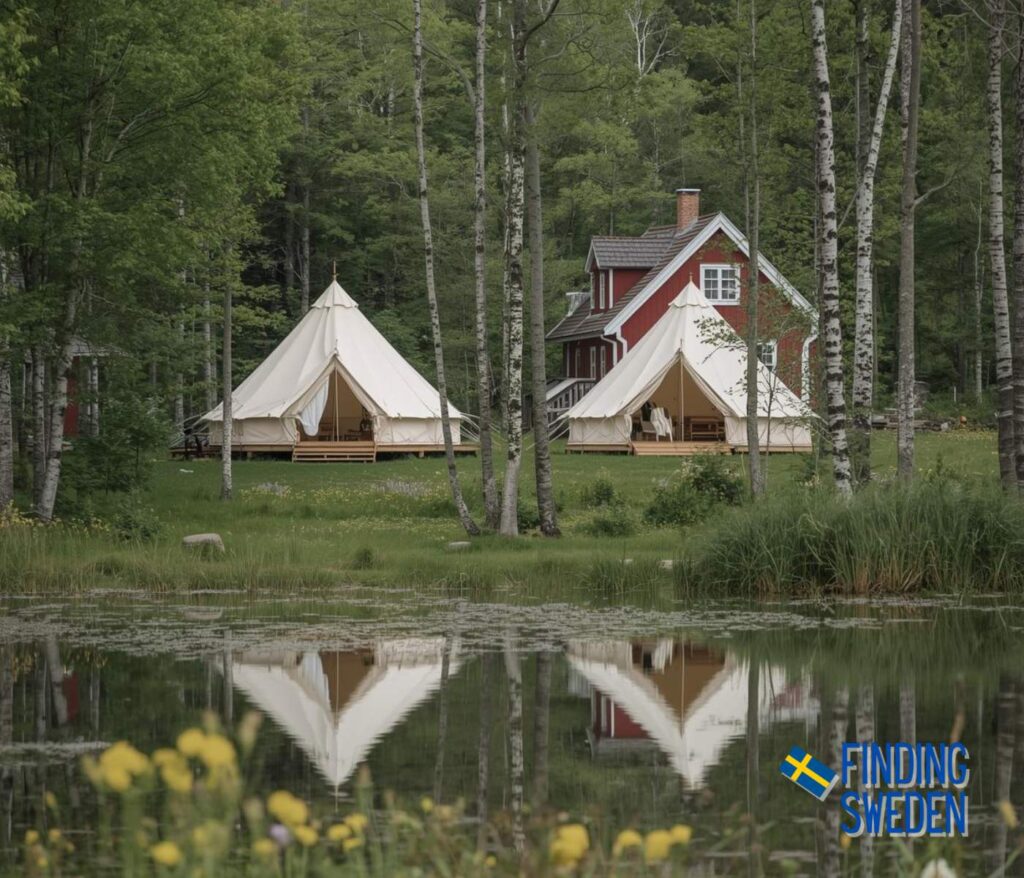
Glamping in the Swedish countryside has quickly become hot.
For visitors, the appeal is clear. Sweden’s countryside offers vast forests, thousands of lakes, coastal archipelagos, and open farmland under expansive skies. Glamping allows travelers to experience that environment comfortably, often with proper beds, wood burning stoves, and thoughtfully designed interiors, while still feeling immersed in nature. The experience sits between camping and boutique hotels, attracting people who might not otherwise consider rural Sweden as a destination. In doing so, it brings new flows of revenue to areas that have struggled to compete with urban tourism.
The economic effects extend beyond the glamping site itself. Guests buy groceries in local stores, eat at nearby cafés, rent kayaks, book guided hikes, and purchase locally produced food or crafts. A small cluster of glamping tents can help sustain businesses that depend on seasonal tourism. In some regions, entrepreneurs collaborate, creating informal networks where accommodation, farm shops, and activity providers refer customers to one another. The result is a more resilient local economy built around experience rather than extraction.
Where do the tourists in Sweden come from?
| Country | Annual overnight stays in Sweden |
|---|---|
| Germany | 3,850,000 |
| Norway | 3,540,000 |
| Denmark | 2,230,000 |
| United States | 1,710,000 |
| Netherlands | 1,050,000 |
Sweden’s strong outdoor culture plays an important role in making this model work. The concept of access to nature is deeply embedded in society, and many rural residents are accustomed to sharing landscapes responsibly. Glamping aligns with this mindset by emphasizing sustainability, low waste practices, and minimal environmental disruption. Composting toilets, solar panels, and locally sourced materials are common features. Rather than imposing luxury on the land, many operators frame their offering as a way to reconnect guests with the rhythms of rural life.
There is also a social dimension. In villages where populations have shrunk, new visitors bring energy and exchange. Hosts often interact directly with guests, sharing stories about local history, fishing traditions, or seasonal harvests. These encounters foster a form of cultural tourism that feels personal rather than transactional. For urban Swedes, glamping can serve as a bridge back to rural heritage. For international travelers, it offers an accessible entry point into landscapes that might otherwise seem remote.
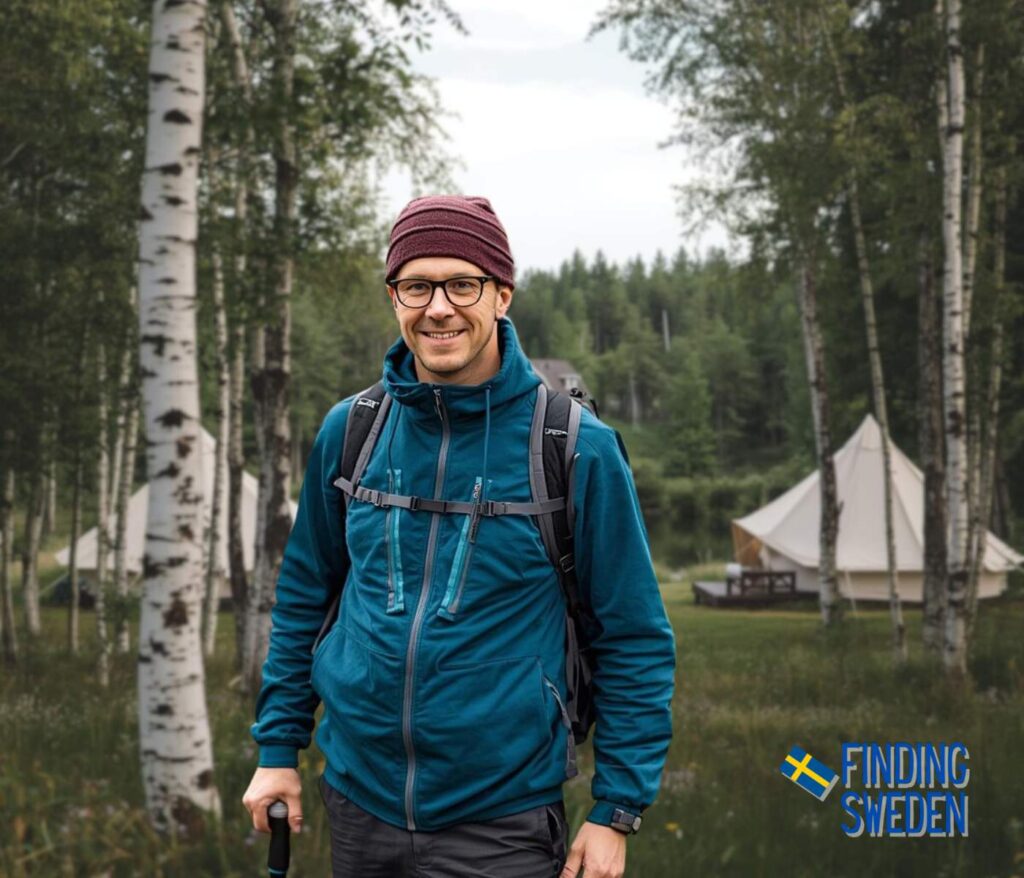
Felix from Germany just found out about glamping in Sweden and is loving it. It’s a better way to connect with the wild nature, he says, without the hassle.
The rise of glamping has coincided with broader shifts in travel preferences. Many people now seek slower experiences, smaller scale accommodation, and authentic settings over mass tourism. Sweden’s rural areas are well positioned to meet that demand. The long summer evenings, clean air, and quiet forests create an atmosphere that contrasts sharply with city life. In winter, insulated tents and cabins with wood stoves offer a different kind of appeal, where snow and darkness become part of the experience rather than obstacles.

Find places for glamping in Sweden with Hotels.com
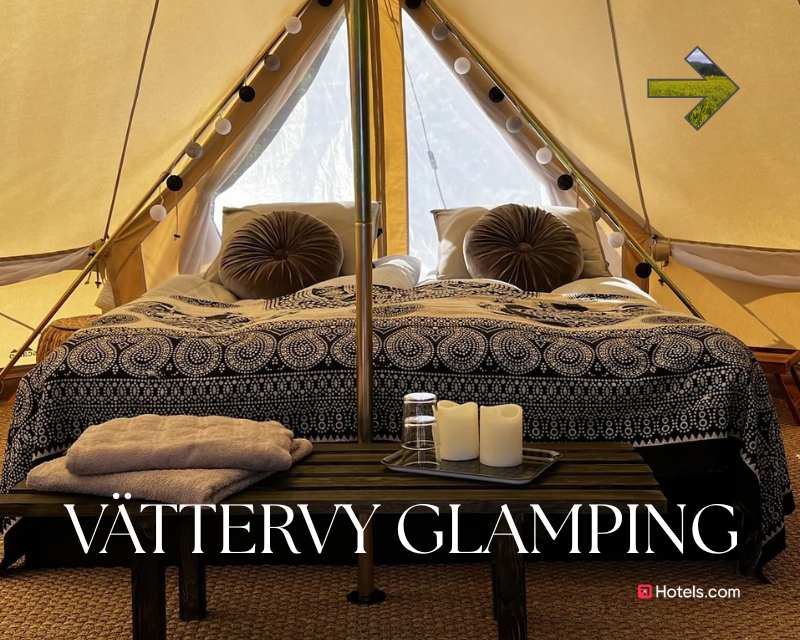
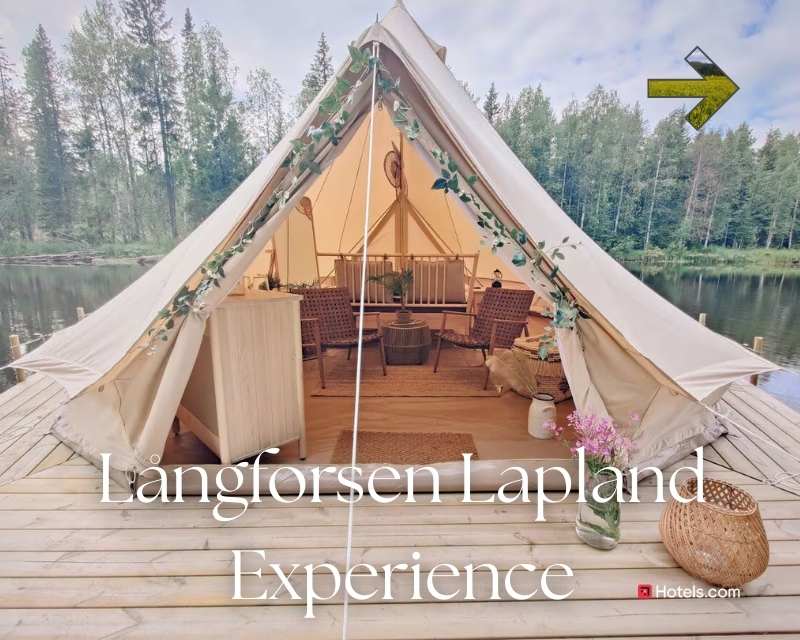
Challenges remain. Rural infrastructure such as transport links and broadband access can limit growth. Seasonal fluctuations mean income is often concentrated in summer months. Balancing environmental protection with increased visitation requires careful management. Yet compared to traditional hotel development, glamping presents a flexible and adaptive model. It can scale gradually, adjust to demand, and integrate with existing land use.
What makes the phenomenon significant is not the tents themselves but what they represent. They show that rural revitalization does not always require industrial investment or large scale projects. Sometimes it begins with reimagining what is already there. A field becomes a place to sleep under the stars. A forest clearing becomes a retreat. A lakeshore becomes a gathering point for visitors seeking quiet. Through these small transformations, parts of rural Sweden are finding new relevance in a changing economy, one carefully placed canvas wall at a time.