When people think about beaches in Europe, Sweden is rarely part of the conversation. Travelers often imagine the Mediterranean, the Atlantic coast of Portugal, or the beaches of southern Spain. Sweden, by contrast, is associated with forests, lakes, and cold northern landscapes. Yet along its long coastline and scattered islands, Sweden hides some of the most beautiful and surprisingly quiet beaches in Europe.
One reason these beaches remain overlooked is geography. Sweden sits far north, and many assume that the water must always be cold or the weather too unpredictable for beach life. But during the summer months the southern parts of the country enjoy warm temperatures and long daylight hours. In July and August, beach days can stretch late into the evening as the sun lingers above the horizon far longer than in southern Europe.
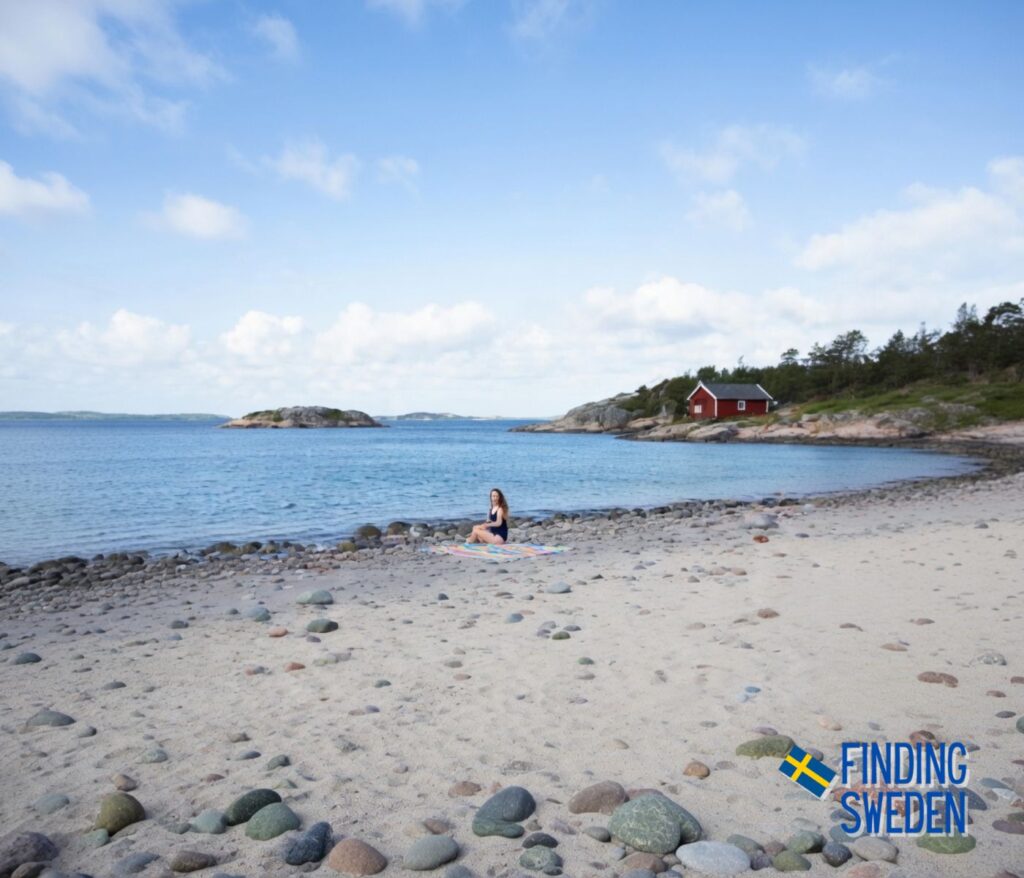
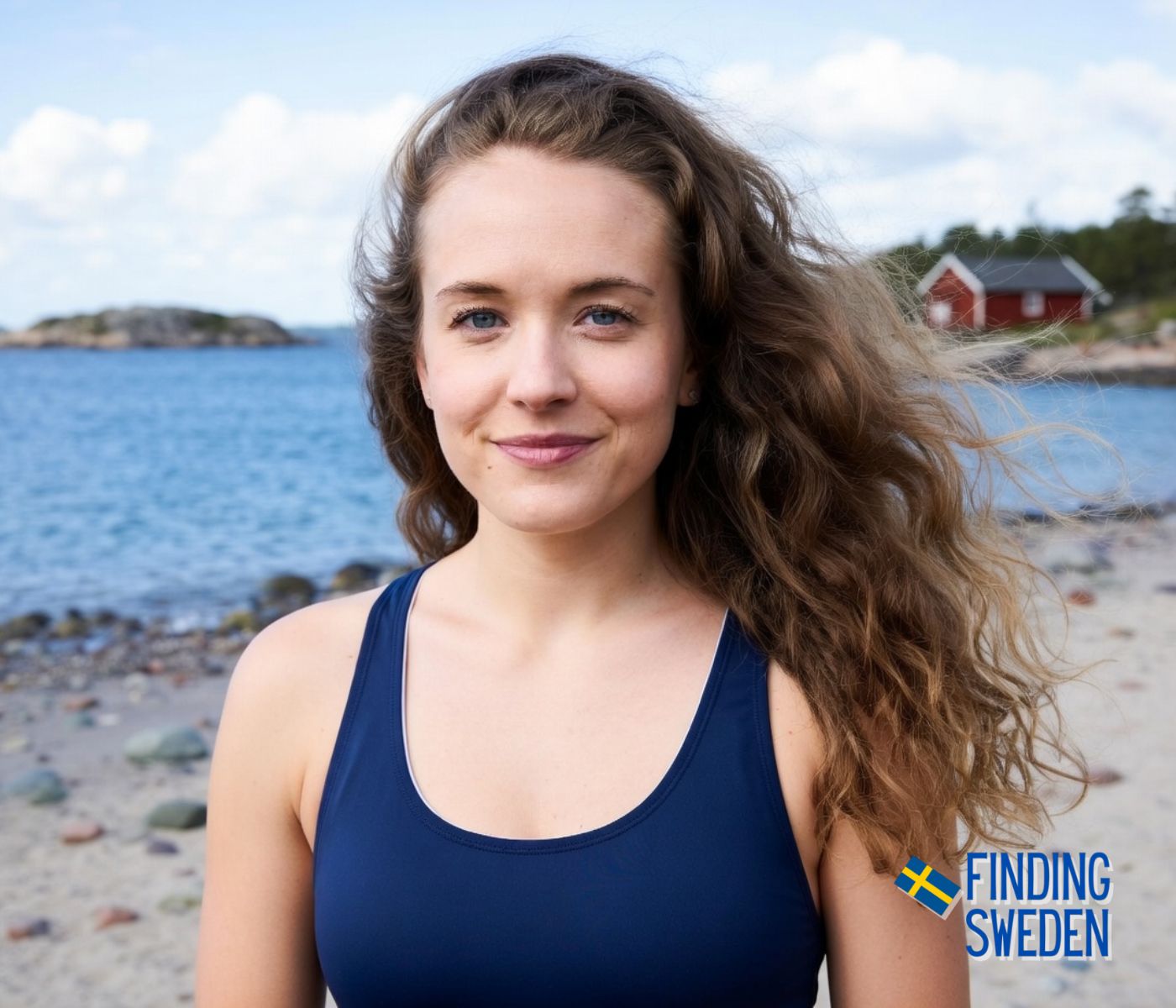
Maria loves spending time on Swedish beaches, this is in 2025
Another reason is simply that Sweden does not promote its beaches in the same way as traditional beach destinations. The country’s tourism identity focuses more on nature, outdoor adventure, and Scandinavian culture. As a result, many international visitors never discover that Sweden’s coastline includes wide sandy shores, clear water, and dramatic coastal landscapes.
One of the most famous examples is Sandhammaren in the region of Skåne in southern Sweden. This beach is often described as having some of the finest sand in the country. Long stretches of white sand meet rolling dunes and pine forests, creating a landscape that feels closer to northern Germany or Denmark than the typical Scandinavian stereotype. On sunny summer days the water can become surprisingly pleasant for swimming.
The top 10 Swedish beaches
| Beach | Location | Why it is great |
|---|---|---|
| Sandhammaren | Skåne, southeastern Sweden | Famous for having some of the finest sand in Sweden, with long dunes and clear Baltic water that feels more like a continental beach than a typical Scandinavian coastline. |
| Böda Sand | Öland island | One of Sweden’s longest sandy beaches, known for its shallow water, wide shoreline, and warm summer swimming conditions. |
| Tylösand | Halmstad, Halland | Often considered Sweden’s most famous beach, offering several kilometers of soft sand, dramatic dunes, and beautiful sunsets over the Kattegat Sea. |
| Skanör Beach | Skanör-Falsterbo, Skåne | Known for its bright white sand, colorful bathing huts, and calm shallow water that makes it ideal for swimming and relaxing. |
| Stenshuvud Beach | Österlen, Skåne | A unique beach where sandy shores meet forested hills in a national park, creating a striking mix of nature and coastline. |
| Sudersand | Fårö island, Gotland | A wide and bright sandy beach with crystal clear Baltic water, often described as one of the most beautiful beaches in northern Europe. |
| Smögen Beach | Bohuslän, west coast | Instead of sand, this area offers smooth granite cliffs perfect for sunbathing and diving directly into the sea from natural rock platforms. |
| Ystad Sandskog | Skåne | A peaceful sandy beach surrounded by pine forest, creating a calm atmosphere and a classic southern Swedish summer landscape. |
| Mellbystrand | Halland | One of Sweden’s longest beaches, stretching for many kilometers with shallow water that is perfect for long walks and family friendly swimming. |
| Tofta Beach | Gotland | A lively beach destination known for soft sand, clear water, and beautiful sunsets, popular during the Swedish summer season. |
Further north along the Baltic Sea lies another remarkable stretch of coastline on the island of Öland. The island is known for its open landscapes, historic windmills, and long shallow beaches that are perfect for swimming and walking. Because the Baltic here is relatively calm, the beaches feel peaceful rather than dramatic, with gentle waves and wide horizons.
Sweden’s west coast offers a completely different beach experience. In Bohuslän, smooth granite cliffs meet the sea, forming natural swimming spots and sheltered coves. Instead of long sandy beaches, people sunbathe on warm rock surfaces before diving directly into the saltwater below. Small fishing villages dot the coastline, giving the region a distinctive maritime atmosphere.

Maybe you’ll love the Swedish beaches as much as I do
One of the most striking things about Swedish beaches is the sense of space. Even in the height of summer it is often possible to find quiet stretches of coastline with relatively few people. The country’s large land area and modest population mean that nature rarely feels crowded. Visitors who are used to packed Mediterranean beaches are often surprised by how peaceful Swedish shores can be.
The culture around beaches is also slightly different. Instead of crowded beach clubs and loud music, the atmosphere is typically calm and relaxed. Families swim, people walk along the shore, and many bring simple picnics rather than spending the day at restaurants or bars. The emphasis is on enjoying nature rather than turning the beach into a busy social scene.
Perhaps the biggest surprise of all is the quality of the water and environment. Sweden places strong emphasis on environmental protection, and many coastal areas are carefully managed to preserve their natural character. Clean water, protected dunes, and unspoiled landscapes are common features along much of the coastline.
For travelers willing to look beyond the usual European beach destinations, Sweden offers something different. Its beaches may not have the same international reputation as those in southern Europe, but that is precisely what makes them special. They remain beautiful, accessible, and remarkably uncrowded. In a continent where many coastal areas have become heavily developed, Sweden’s beaches still feel like hidden discoveries waiting to be explored.