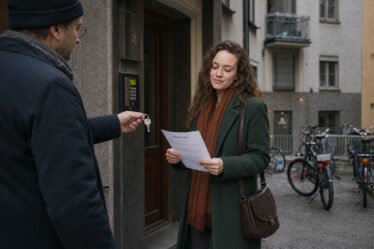
Moving to Sweden can feel deceptively easy for americans. Almost everyone speaks English. Cities are clean and modern. Technology works smoothly. But beneath that surface familiarity lies a culture shaped by different social codes, expectations, and assumptions about work, privacy, and community. The real surprises are rarely dramatic. They are subtle shifts that slowly change how you behave.
Silence is not awkward

In the United States, silence often signals discomfort. In Sweden, silence is neutral. It can even be respectful. Conversations do not require constant verbal affirmation. People pause before responding. Meetings can include long stretches of quiet while everyone thinks.
For americans used to filling space with small talk, this can feel unsettling at first. Over time, many discover it reduces pressure. Not every moment needs commentary.
Consensus matters more than speed

Decision making in Sweden often involves discussion and broad agreement. Even in corporate settings, managers may seek input from team members before moving forward. Hierarchies exist, but they are flatter and less performative.
An american accustomed to fast executive calls might interpret this as indecisiveness. In reality, it reflects a cultural preference for alignment over authority. Once a decision is made, buy in tends to be strong because people feel heard.
Work life boundaries are real
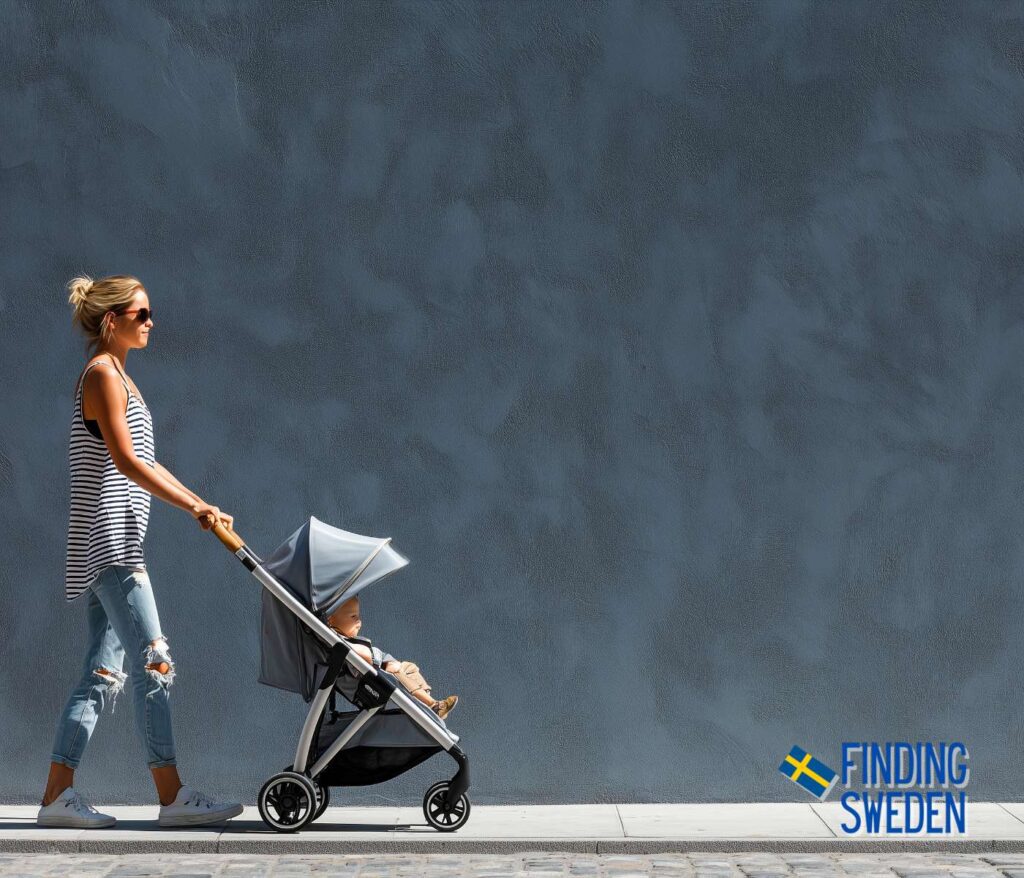
In Sweden, vacation time is generous and protected. Taking several consecutive weeks off in summer is common. Colleagues do not expect instant responses outside working hours. Parental leave is extensive and widely used by both mothers and fathers.
For americans from hustle driven environments, this can feel almost unreal. Ambition exists in Sweden, but it is rarely worn like a badge. Productivity is measured less by visible busyness and more by results delivered within reasonable hours.
Personal space is sacred
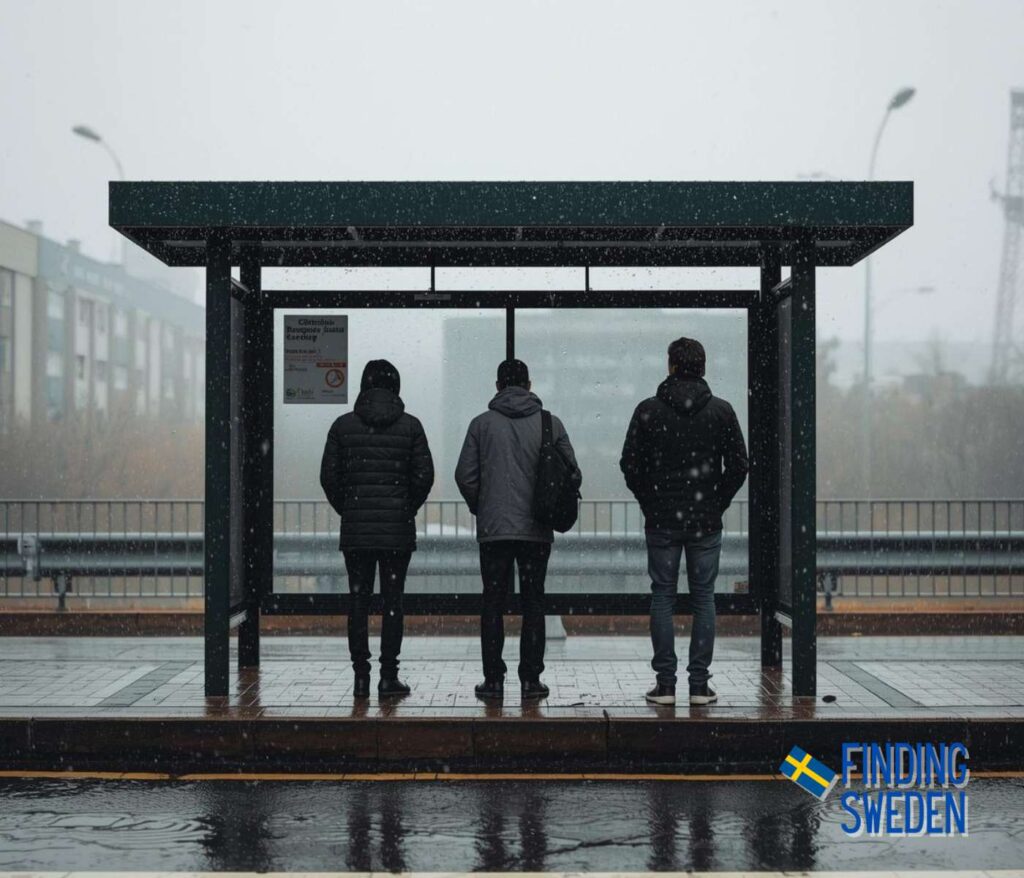
Swedes value physical and social space. Standing too close in a line or starting an animated conversation with a stranger on public transport may draw subtle discomfort. Politeness often means not imposing.
This does not mean people are unfriendly. Friendships can be deep and loyal, but they tend to develop slowly. Once inside someone’s circle, relationships are steady and long lasting.
Cash is nearly invisible

Sweden is one of the most cashless societies in the world. Many shops and even small vendors do not accept physical money. Payments are digital, often through mobile apps.
For americans accustomed to carrying some cash as backup, the absence of bills and coins can be surprising. It reflects a broader trust in institutions and digital systems.
Alcohol is regulated differently

Buying alcohol stronger than light beer involves a state run retail system with limited hours and specific rules. Prices are higher than in most parts of the United States.
The structure surprises newcomers, especially those from states with loose alcohol laws. Yet social drinking culture remains present, just shaped by regulation rather than convenience.
Directness without aggression
Swedish communication can feel blunt but calm. Feedback may be delivered plainly, without the cushioning language common in american workplaces. At the same time, confrontation is usually avoided in public settings.
The result is a style that feels understated. There is less dramatic disagreement, but also less exaggerated enthusiasm.
The power of modest

Self promotion is approached cautiously. Cultural norms often discourage standing out too boldly. Achievements are acknowledged, but boasting is frowned upon.
Americans who are used to confidently marketing themselves may need to recalibrate. Competence is expected to speak for itself. Recognition comes through consistency rather than volume.
Weather is a social topic

Long winters and short summer bursts shape daily life. People talk about light and darkness in practical terms. Homes are designed for coziness and warmth. Outdoor life continues even in cold conditions, but it is planned and equipped.
For someone moving from a sunnier climate, the rhythm of extreme seasonal change can be more challenging than expected. It influences mood, schedules, and social patterns.
Equality feels embedded
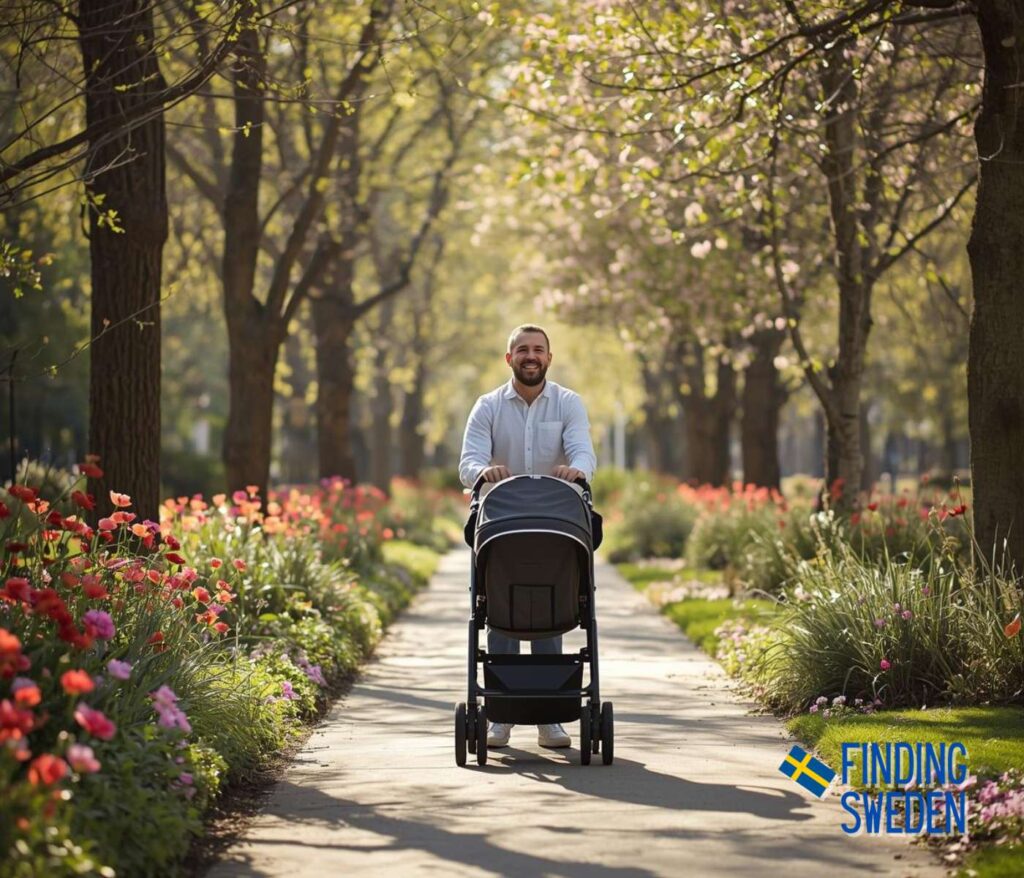
Gender equality, parental leave for fathers, and strong social welfare systems are not political talking points in daily life. They are part of normal expectations.
Americans often notice how these policies translate into visible behavior. Fathers pushing strollers on weekday mornings. Shared domestic responsibilities. Open discussion of work life balance.
The shock is in the subtlety
The biggest cultural surprise for americans is not a dramatic difference. It is the accumulation of small contrasts. Conversations that move more slowly. Authority that speaks more quietly. Ambition that is less theatrical.
Living in Sweden can feel like lowering the volume on certain aspects of life while sharpening others. For some, that adjustment is challenging. For others, it becomes the most transformative part of the move.